Guides
Sewing Supplies UK: Your Ultimate Buying Guide for 2026
You’ve got a pattern open on the table, a basket online full of things called notions, interfacing, jersey needles, invisible zips, and a fabric choice that looked perfect on your phone but now feels risky. That’s a familiar place to be. Most sewing projects don’t go wrong because the idea was bad. They go wrong because one or two supply choices undermined the project from the start.
That’s why buying sewing supplies uk isn’t just about filling a basket. It’s about matching tools, fabric, thread, and where you shop to the kind of sewing you do. A beginner making pyjama bottoms needs a different setup from a student testing toiles, and both need something different again from a small label buying deadstock for short runs.
Sewing is also far from a fading niche. The UK sewing supplies market was valued at £200 million in 2024 and is projected to reach £300 million by 2033, with part of that demand linked to shows like The Great British Sewing Bee, which inspire 30% of participants in arts and crafts activities, according to UK sewing supplies market data. That tracks with what many shops see every day. More people are sewing clothes, altering garments, trying quilting, repairing old favourites, and learning on machines at home.
Your Guide to Sewing Supplies in the UK
The hardest part at the start is often sorting essential from optional. Shops sell thousands of useful things, but only a smaller core group really earns its place in a beginner kit or an everyday sewing room. If you buy that core well, everything else becomes easier.
A practical way to think about sewing supplies uk is to split them into four groups:
Core tools you’ll use on nearly every project, such as shears, pins, measuring tools, and an iron.
Machine essentials like needles, bobbins, and the right thread.
Project supplies including fabric, interfacing, elastic, buttons, and zips.
Buying support such as sample swatches, clear returns policies, and machine servicing.
That last group gets overlooked. It shouldn’t. A cheaper fabric that arrives in the wrong weight or a machine that hasn’t been serviced can cost more in wasted time than the original saving was worth.
Practical rule: Buy fewer things, but buy the right version of each thing.
A good sewing setup doesn’t need to be huge. It needs to be dependable. Clean cutting, accurate measuring, suitable thread, and fabric that behaves the way the pattern expects will save you far more frustration than drawers full of gadgets you never touch.
The rest of this guide is built around real project decisions. What to buy first. What can wait. When deadstock is a brilliant buy and when it isn’t. Which notions make garments look homemade in the bad way, and which ones make them look finished.
Building Your Foundation The Essential Sewing Kit
A new sewer usually notices the weak points in their kit on the second project, not the first. The pyjama bottoms go well enough, then the shears start folding the fabric instead of cutting it, the tape measure has stretched, and the cheap thread leaves fluff all through the machine. That is why a small, dependable kit beats a big basket of bargains.
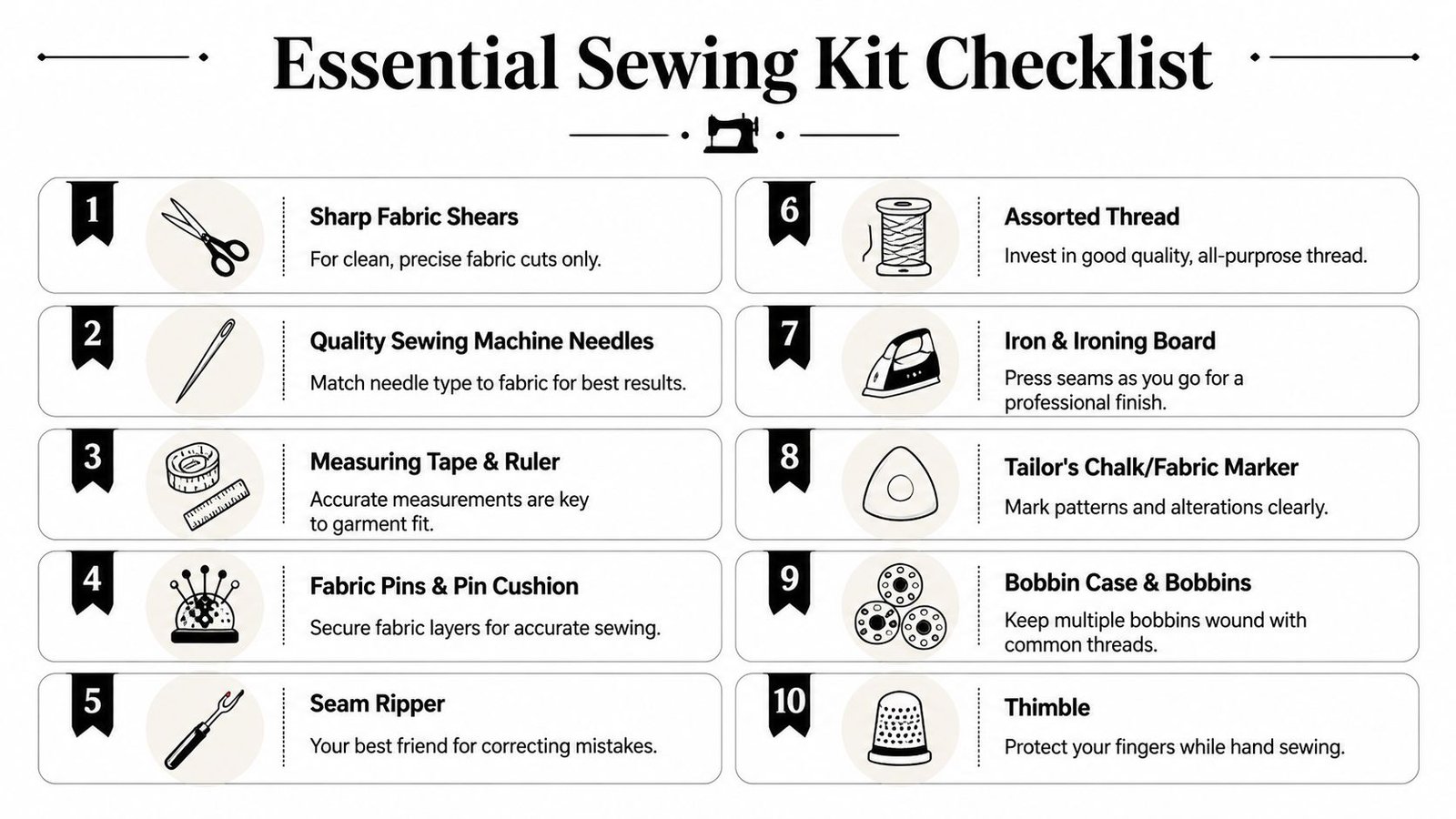
I tell customers to build around the jobs they do every single time. Cut accurately. Measure properly. Mark clearly. Press as they go. If those four jobs are covered, a beginner can make a cushion, apron, tote, or simple skirt without fighting the tools.
The tools that earn their keep
Start with these:
Fabric shears. Keep them for fabric only. Good shears cut cleanly to the tip, which matters when trimming facings, clipping curves, or cutting slippery viscose without shifting it out of shape.
A small pair of snips or thread clippers. These save time at the machine and help keep seam ends neat.
Pins and a pin cushion. Glass-head pins cope better with heat if you press near them. Fine pins suit lawn, cotton poplin, and viscose. Stronger pins are better for denim, coating, and layered bag-making cottons.
Tape measure and a clear ruler. Use the tape for body measurements and curved edges. Use the ruler for hems, seam allowances, pocket placement, and alteration lines.
Seam ripper. Every sewer uses one. A sharper, smoother ripper removes stitches without chewing up the fabric underneath.
Tailor’s chalk or fabric marker. Darts, notches, button placement, and tuck lines all need marks you can see and remove later.
Machine needles. Keep a few types on hand. Universal for everyday woven fabrics, jersey or ballpoint for knits, and denim needles for heavier cloth.
Good thread. A sew-all polyester thread covers most garment and craft sewing and causes fewer tension problems than bargain thread.
Bobbins. Buy the correct type for your machine and keep several ready wound in the colours you use most.
Iron and ironing board. Pressing shapes the work as you sew. It is how collars sit flat, hems behave, and patch pockets look crisp instead of homemade in the wrong way.
Hand sewing needles and a thimble. These matter for hems, button sewing, hook and bar fastening, and quiet repairs that are quicker by hand than by machine.
What good basics look like in practice
Price alone does not tell you much. What matters is how the tool behaves in your hand and on the fabric.
A decent tape measure lies flat and reads clearly. Pins slide in without snagging. Chalk marks cleanly without scratching the cloth. Thread should run through the machine without excessive fluff, knots, or fraying. If a tool adds drag, wobble, or guesswork, it is not doing its job.
I see this most often with thread, needles, and pressing. Customers often assume the machine is at fault when skipped stitches are really a blunt needle, or when a collar will not sit right because the seam was never pressed and shaped properly. Good haberdashery reduces those small failures that turn a simple project into an evening of unpicking. Commercial sewing guidance on compatibility and rework makes the same point in a production setting, as noted by commercial sewing guidance on compatibility and rework. The home sewing version is simpler. Matching the right thread, needle, and fabric saves time and usually gives a cleaner finish.
A clean cut edge and a well-pressed seam make beginner sewing look far more confident.
Essentials first, upgrades later
A sensible buying order keeps the first shop manageable and leaves room in the budget for fabric and notions.
| Tool Category | Starter Item | Useful Upgrade Later |
|---|---|---|
| Cutting | Fabric shears | Dressmaking shears plus thread snips |
| Measuring | Flexible tape measure | Tape measure plus clear gridded ruler |
| Marking | Tailor’s chalk | Chalk plus erasable fabric marker |
| Pins | Standard dressmaking pins | Fabric-specific pins in different weights |
| Unpicking | Basic seam ripper | Ergonomic seam ripper with fine point |
| Needles | Universal machine needles | Mixed pack with jersey and denim needles |
| Thread | Sew-all polyester in core colours | Better-quality thread matched to fabric types |
| Pressing | Basic steam iron | Steam iron plus sleeve board or pressing ham |
| Bobbins | A few machine-compatible bobbins | Labelled bobbins wound in staple colours |
| Hand finishing | Basic hand-sewing needles | Sharps, betweens, and a comfortable thimble |
A sensible first shopping basket
Buy for an actual project, not an imaginary future sewing room. Pyjama bottoms, a cushion cover, an apron, or a zip pouch will show you what you use repeatedly and what can wait. That approach also makes buying easier if you are mixing sources. You might buy deadstock fabric online because the fibre content and price are right, then pick up matching thread, a fresh needle, and advice from a local shop that can also service your machine if it starts misbehaving.
More Sewing offers fabrics, haberdashery, kits, and swatches in one place, which can make a first basket simpler to assemble. The useful part is not convenience on its own. It is being able to keep fabric, thread, needles, and notions in step, rather than ending up with a lovely cloth and the wrong support materials around it.
Choosing Your Tools Quality and When to Upgrade
A sewing room fills up gradually. It shouldn’t fill up blindly. Some tools improve your work the moment you buy them. Others only matter once your sewing becomes more specialised.
Where quality matters immediately
Shears are the obvious example. If they feel handle-heavy, drag at the tip, or force you to lift fabric off the table to finish a cut, you’ll lose accuracy. On dressmaking projects, that shows up as wobbly facings, mismatched notches, and sleeves that don’t quite sew in cleanly.
A seam ripper is another small tool that’s worth buying properly. A rough one makes unpicking slower and more damaging. A smooth one lets you lift a stitch cleanly without gouging the fabric underneath.
Rulers and guides matter if you sew garments regularly. You want crisp markings you can read. A quilting ruler with fuzzy lines or thick printing becomes irritating very quickly when you’re squaring pockets or checking grain.
Where you can wait
You don’t need every specialist foot at the beginning. A standard presser foot, zip foot, and buttonhole function will take most beginners a long way. You also don’t need a full wall of cutting mats, pattern weights, and pressing tools on day one.
Upgrade when the problem becomes recurring. If you keep making shirts, then a sleeve board and finer pins make sense. If you sew jeans often, then denim needles and a hump jumper become useful. If you work with slippery viscose every week, pattern weights and a rotary cutter may suddenly feel less like luxuries and more like sanity.
Buy upgrades to solve a repeated annoyance, not because a tool looks professional.
Mechanical or computerised machine
A sewing machine is usually the biggest single purchase, and the right answer depends on how you sew.
A mechanical machine suits many beginners well. It’s often more straightforward to understand because stitch width, length, and tension feel more direct. If you mostly sew cotton, linen blends, simple garments, and home projects, a solid mechanical model can serve you for years.
A computerised machine starts to earn its keep when you want easier buttonholes, more stitch options, speed control, and extra convenience. People making frequent garments, school projects, gifts, and more detailed finishes often appreciate those features.
The wider market points to the same reality. The UK sewing machine market generated USD 116.7 million in 2024, with growth projected and electric machines as the largest segment, according to UK sewing machine market outlook. That tells you reliable home machines remain central to how people sew in the UK.
Servicing is part of ownership
A machine can be expensive and still sew poorly if it’s full of lint, slightly out of timing, or running with a damaged needle plate. People often try to fix stitching problems by changing thread brands three times and rethreading in frustration, when the machine really needs cleaning, a fresh needle, and a proper service.
Look out for these signs:
Skipped stitches on jersey even with the right needle.
Thread nests under the fabric at the start of seams.
Uneven feeding where one layer creeps ahead of the other.
Clunking noises that weren’t there before.
Inconsistent tension across the same seam.
If those issues persist after a fresh needle, correct threading, and bobbin check, servicing is usually the sensible move. This matters especially in the UK, where local repair support can make the difference between using your machine weekly and leaving it in a cupboard for months.
A UK Sewists Guide to Fabrics and Sustainable Sourcing
You find a pattern you love, order a fabric that looks perfect on screen, and the parcel arrives. The colour is right, but the cloth is too crisp for the soft gathers you wanted, or so slippery that cutting it feels like wrestling a duvet cover on the dining table. That is why fabric choice deserves more care than a quick scroll and a pretty photo.
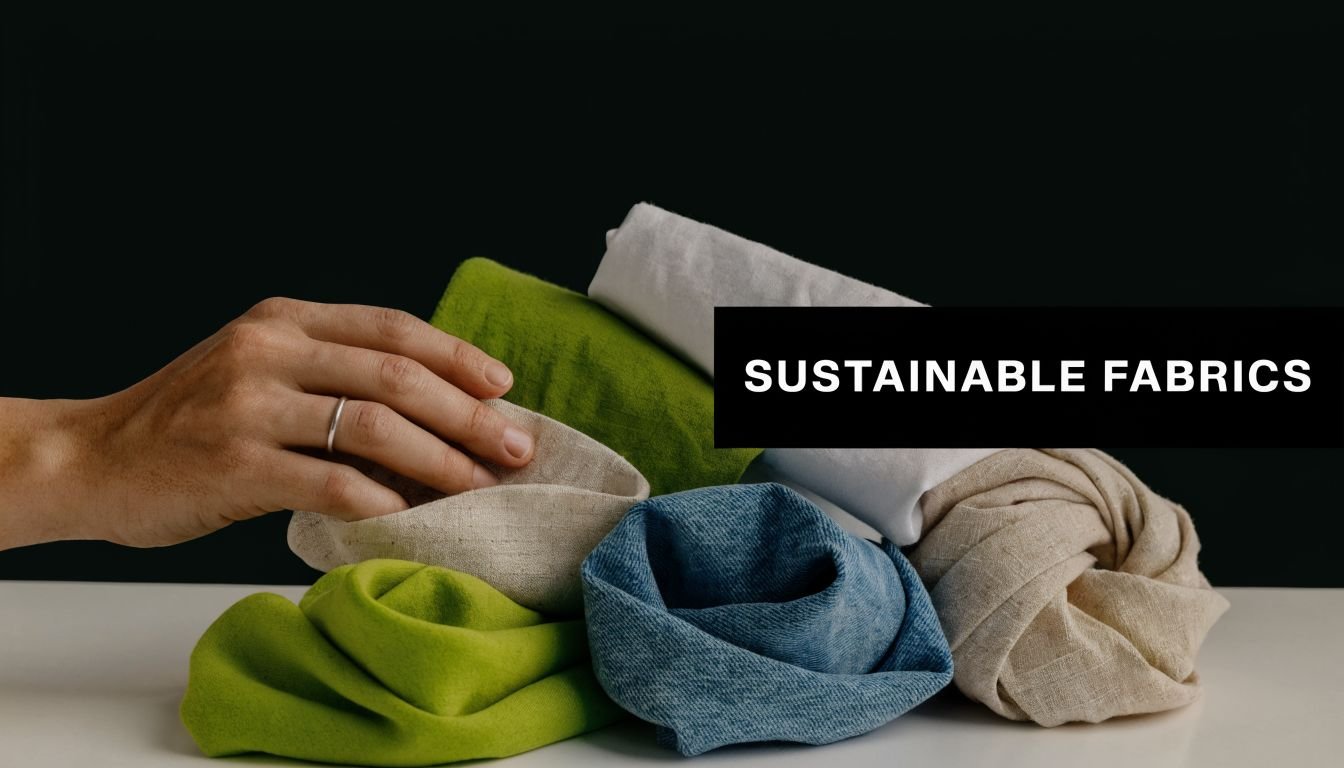
A fabric does four jobs at once. It affects how the garment hangs, how hard it is to cut and sew, how it feels on the body, and how often you will reach for it once it is finished. Good sourcing means buying with all four in mind, not just choosing a print you like.
Matching fabric to project
A lot of sewing frustration starts with a poor fabric and pattern pairing, not poor sewing.
Cotton poplin and cotton lawn are reliable starting points for dressmaking. They press cleanly, stay put while cutting, and respond well to unpicking if you need a second try. Poplin has a bit more body, so it suits shirts, simple day dresses, pyjamas, children’s wear, and facings. Lawn is finer and softer, which makes it better for blouses, summer tops, and details like gathers and soft sleeves.
Viscose gives movement that many sewists want in dresses and skirts, but it asks more from your cutting and handling. It can shift off grain, fray quickly, and stretch out if it hangs over the table edge. For that reason, I usually suggest viscose for simple silhouettes first. A loose shirt dress or pull-on skirt is a better choice than a fitted bodice with lots of shaping.
Jersey earns its place because people wear knit garments hard. A stable cotton jersey is usually the easiest knit for T-shirts, children’s leggings, and casual daywear. Very fluid jersey can look beautiful, but hems ripple more easily and neckbands need better control. If your machine setup is still new to you, stable knit is the safer buy.
Denim needs a bit more thought than many beginners expect. Lightweight denim works well for shirts, pinafores, and softer skirts. Midweight denim suits trousers, jackets, and workwear-style dresses. Heavy denim can be excellent fabric, but bulky seams, topstitching layers, and thick hems may push a domestic machine further than is comfortable.
Tencel and linen blends are useful if you want breathable clothes without the crispness of pure linen. They suit relaxed trousers, easy shirts, jumpsuits, and dresses with drape. The trade-off is that some blends show needle marks, soften a lot after washing, or drop in length once hung, so prewashing matters.
Deadstock and what it actually means
Deadstock has become one of the more interesting ways to buy fabric in the UK, especially online. In practice, it usually means surplus fabric from fashion production. That could be cancelled orders, leftover mill runs, or excess stock from brands and manufacturers.
For home sewing, deadstock can be a very good buy. It often gives you better colour, weave, and handle than standard basics, and it can make a handmade garment feel far less generic. If you want a standout dress for an event or a short run of garments in a student collection, it is often where the interesting cloth lives.
It does come with limits.
You may not be able to reorder it if a project works well and you want more.
Product descriptions matter because deadstock listings vary in detail.
Swatches help a lot with drape, opacity, and surface texture.
Project choice matters because one-off fabric suits one-off makes better than long-term repeat patterns.
I use deadstock most confidently for special garments, limited projects, and pieces where character matters more than future repeatability. For a tried-and-tested shirt pattern I plan to sew every year, a regularly stocked fabric is usually the smarter purchase.
Buying more sustainably without getting vague
Sustainable sourcing is easier to handle when you strip it back to practical choices. Buy fabric you will use, match it to the project properly, and get enough information before you cut into your budget.
That often means looking for:
Clear fibre content, so you know what you are washing, pressing, and wearing.
Weight, stretch, and opacity details, especially for online orders.
Swatch options, because one small sample can prevent an expensive mistake.
Shops that answer questions clearly, whether they sell online or over the counter.
Fabrics that suit your real wardrobe, not just your sewing ambitions.
A fabric is not a sustainable purchase if it spends two years on a shelf because it never suited the pattern.
This is also where UK buying habits matter. Online shops are often the best place to find deadstock, harder-to-source fibres, and a wider range of garment fabrics by the metre. Local shops still offer something online sellers cannot. You can feel the cloth, compare two denims side by side, ask whether a linen blend will soften, and sort practical problems in the same trip, such as machine needles, interfacing, or booking a repair. That mix of online range and local support is often the most sensible way to buy.
Here’s a useful walkthrough before you commit to fabric:
A buying method that saves regret
If you are buying dressmaking fabric online, a short checklist helps.
Read the pattern requirements first. Check whether it needs a stable woven, a drapey woven, or a knit with stretch.
Order a swatch for unfamiliar fabrics. This matters most for viscose, linen blends, denim, coating, and deadstock.
Picture the finished garment in use. Ask whether you will wear and wash it often.
Check width, opacity, and care instructions before working out how much to buy.
Buy the supporting bits in the same order where possible so you are not hunting for matching thread, lining, or interfacing later.
That is what good sourcing looks like in practice. Less guesswork, fewer disappointing metres, and more finished clothes that earn their place in your wardrobe.
Navigating Notions Threads Zips and Buttons Explained
Half the fitting problems people blame on a pattern start in the haberdashery drawer. A dress can fit well and still hang badly if the zip is too stiff, the interfacing too heavy, or the buttons too weighty for the fabric.
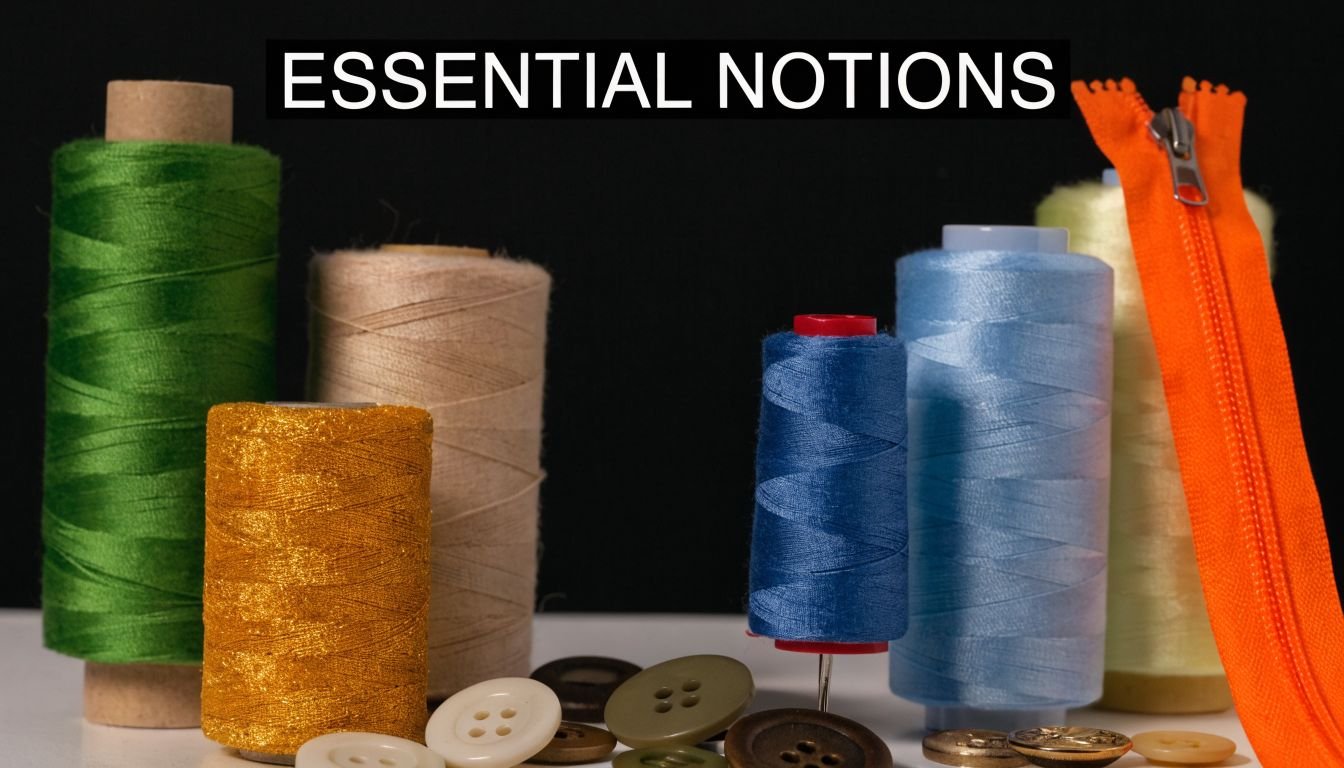
Thread that suits the fabric
For most garment sewing, a good sew-all polyester thread is the sensible default. It handles regular wear, repeated washing, and the mix of fibres many UK sewists use, from cotton poplin to viscose and midweight denim. It also tends to run more cleanly through domestic machines than bargain thread, which is why I usually tell customers to troubleshoot thread before they start blaming their tension.
Cotton thread still has a place. It suits patchwork, some quilting, and projects where you want a matte finish rather than the slight sheen polyester can give. For everyday dressmaking, polyester is usually easier to live with.
The useful habit is to treat thread, needle, and fabric as a set. A lovely viscose blouse sewn with thick thread and a tired universal needle often puckers, even if the pattern is straightforward. A jersey dress stitched with the wrong needle can skip stitches all down the side seam. Test on a scrap first. Thirty seconds there can save an hour with the unpicker.
Use a jersey or ballpoint needle for knits.
Use a sharp or universal needle for stable woven fabrics.
If the seam tunnels, puckers, or skips, change one thing at a time and test again.
Which zip for which project
Zip choice affects both the look and the wear of the garment. Invisible zips are popular for dresses and skirts because they disappear into the seam, but they need accurate seam allowances and careful pressing. If you are still building confidence, a standard zip is often the kinder option.
Standard zips suit skirts, trousers, children’s clothes, cushion covers, and plenty of utility sewing. They are easier to insert neatly and easier to replace later. For bags, outerwear, and anything that gets hard use, I would rather have a sturdy zip than a pretty one that catches every third pull.
Exposed zips are different again. They are part of the design, so tape colour, tooth finish, and pull style all matter. On a simple pinafore or a cosmetic bag, that visible zip can do a lot of the visual work.
Open and close a zip several times before you sew it in. If it feels rough on the shop counter, it will feel worse once it is stitched into a finished project.
This is one area where buying method matters in the UK. Online shops give you far more choice in zip length, colour, and specialist options. A local shop helps when you need to compare the weight in your hand, match a fastening to a fabric you have brought in, or solve a last-minute problem before a class or weekend make.
Buttons, elastic, interfacing
Buttons need to match the scale of the garment and the strain on the fastening. Small shirt buttons work on a lawn blouse because the fabric is light and the button stand is narrow. Put those same buttons on a heavy cord dress and they can look mean and feel insecure. On the other side, oversized buttons on soft rayon or viscose can drag the front edge out of shape.
Interfacing is where many homemade garments either sharpen up or start to look homemade. A collar, cuff, facing, or waistband needs support that matches the fabric, not support for its own sake. Lightweight woven interfacing can keep a blouse collar neat without turning it cardboard-stiff. A fusible that is too heavy can ruin drape, bubbling can appear after pressing, and the whole garment starts fighting the body instead of sitting properly.
Elastic is just as project-specific. Soft braided or knitted elastic suits casual waists and pyjama bottoms. Firmer elastic works better where recovery matters, such as activewear or fitted waistbands. Fold-over elastic belongs on edges like underwear and some knit finishes, not tucked into a casing because it happened to be in the stash.
If you are buying several notions for one project, group the spend properly. The fabric usually gets the attention, but the smaller items decide how polished the result feels. If you are also budgeting for batting, quilting cottons, or larger craft orders, this guide to maximizing quilting savings may help you plan purchases without cutting corners on the bits that matter.
A simple notion pairing guide
| Project | Thread choice | Fastening or notion | Watch out for |
|---|---|---|---|
| Cotton blouse | Sew-all polyester | Small buttons, light interfacing | Interfacing that is too stiff for a soft collar |
| Jersey T-shirt dress | Polyester with a ballpoint needle | Twin needle if desired | Wavy hems from the wrong needle or poor tension |
| Denim skirt | Strong all-purpose thread | Metal zip or sturdy button | Bulky seams near the waistband |
| Viscose wrap dress | Fine all-purpose thread | Lightweight interfacing, tie loops | Puckering from heavy thread or a blunt needle |
| Tote bag | Durable thread | Chunkier zip or magnetic closure | Weak topstitching on thick layers |
Where to Buy Sewing Supplies Online vs Local Shops
Most UK sewists end up using both online shops and local shops, and that’s usually the smartest approach. The trick is knowing which jobs each does better.
What online shops do well
Online buying is hard to beat for range. If you want deadstock, a specific shade of zip, a jersey print for children’s wear, and matching ribbing in one evening, the internet is useful in a way a small high street shop often can’t be.
It also helps with comparison. You can line up fibre content, width, care details, and whether swatches are available. For planned projects, online ordering is efficient.
Use this checklist before you buy:
Order swatches for unfamiliar fabrics. Colour, opacity, and drape are hard to judge on screen.
Check postage thresholds. If you’re buying several things anyway, grouping the order can make sense. Some UK sewing retailers also offer free delivery over set order values.
Read returns terms carefully. Tools and unopened notions may be returnable in ways cut fabric isn’t.
Buy complete project baskets. Thread, zip, interfacing, and buttons are easy to forget if you order fabric first and notions later.
Keep a notes file of fabrics you liked, including weight and fibre. It makes repeat buying easier.
If you’re trying to stretch a fabric budget, this guide to maximizing quilting savings gives a useful framework for thinking about timing, bundles, and order planning. Even if you sew garments more than quilts, the buying habits still apply.
What local shops still do better
A local sewing shop gives you instant feedback your screen can’t. You can feel whether a denim is shirt-weight or trouser-weight. You can hold a button against the cloth. You can ask whether that interfacing is going to make your collar crisp or cardboard-like.
That matters most when:
You’re learning fabric behaviour
You need help matching notions
Your machine is misbehaving
You want to compare similar fabrics side by side
There’s also the practical value of local repair and servicing support. A good local shop can save a machine from becoming an expensive ornament.
A hybrid buying method that works
The most reliable method is usually this:
| Buy online | Buy locally if possible |
|---|---|
| Deadstock and harder-to-find fabrics | Machine servicing and repairs |
| Repeat basics you already know | First-time fabric types you want to handle |
| Project kits and pattern-specific items | Needle, thread, and interfacing troubleshooting |
| Bulk notions for planned makes | Urgent replacements before a sewing session |
A lot of frustration comes from using only one route. Online-only shoppers sometimes buy beautiful but unsuitable fabric. Local-only shoppers can miss out on wider ranges and specialist stock. Mixing both gives you better choice and better judgement.
Your Next Sewing Project Starts Here
Good sewing doesn’t begin at the machine. It begins with a sharp pair of shears, the right needle, fabric that suits the pattern, and notions that won’t fight the job. That’s the value in choosing sewing supplies uk carefully. You spend less time correcting preventable problems and more time making.
The difference shows up in small moments. A hem that presses flat. A zip that sits cleanly. A blouse that hangs the way the line drawing promised. A machine that stitches evenly because you didn’t ignore the servicing. None of that is glamorous when you’re shopping, but all of it matters once you start sewing.
There’s also no need to buy everything at once. Build your kit around the projects you want to make. Add better tools when your sewing asks for them. Use online shops for range, local shops for touch and advice, and sample swatches whenever the fabric choice carries risk.
The right supplies don’t sew the garment for you. They remove the avoidable obstacles so your skills can show up properly.
Start with one project you’re excited to wear or use. Choose stable fabric if you’re new, buy the matching notions in the same order, press as you sew, and test on scraps before committing to the final seam. That combination works far more often than people think.
If you’re ready to build a better sewing basket, More Sewing is a practical place to start for UK dressmakers, students, and hobby sewists who want fabric, haberdashery, sample swatches, and sewing machine support in one place.
