You're probably here because you've opened a fabric listing, seen words like rigid, selvedge, midweight, washed, stretch, and realised denim isn't just denim. One bolt feels shirt-soft, another could stand up on its own, and both are being sold as suitable for “jeans”. That's where a lot of sewing mistakes begin.
Denim fabric material rewards good choices and punishes rushed ones. Pick the wrong weight and your skirt sticks out like a lampshade. Use the wrong needle and your machine starts skipping stitches at the first belt loop. Ignore the finish and your carefully fitted trousers shrink after the first wash. The good news is that denim is one of the most learnable fabrics a home sewist can work with once you know what to look for.
Denims Journey From Workwear to High Fashion
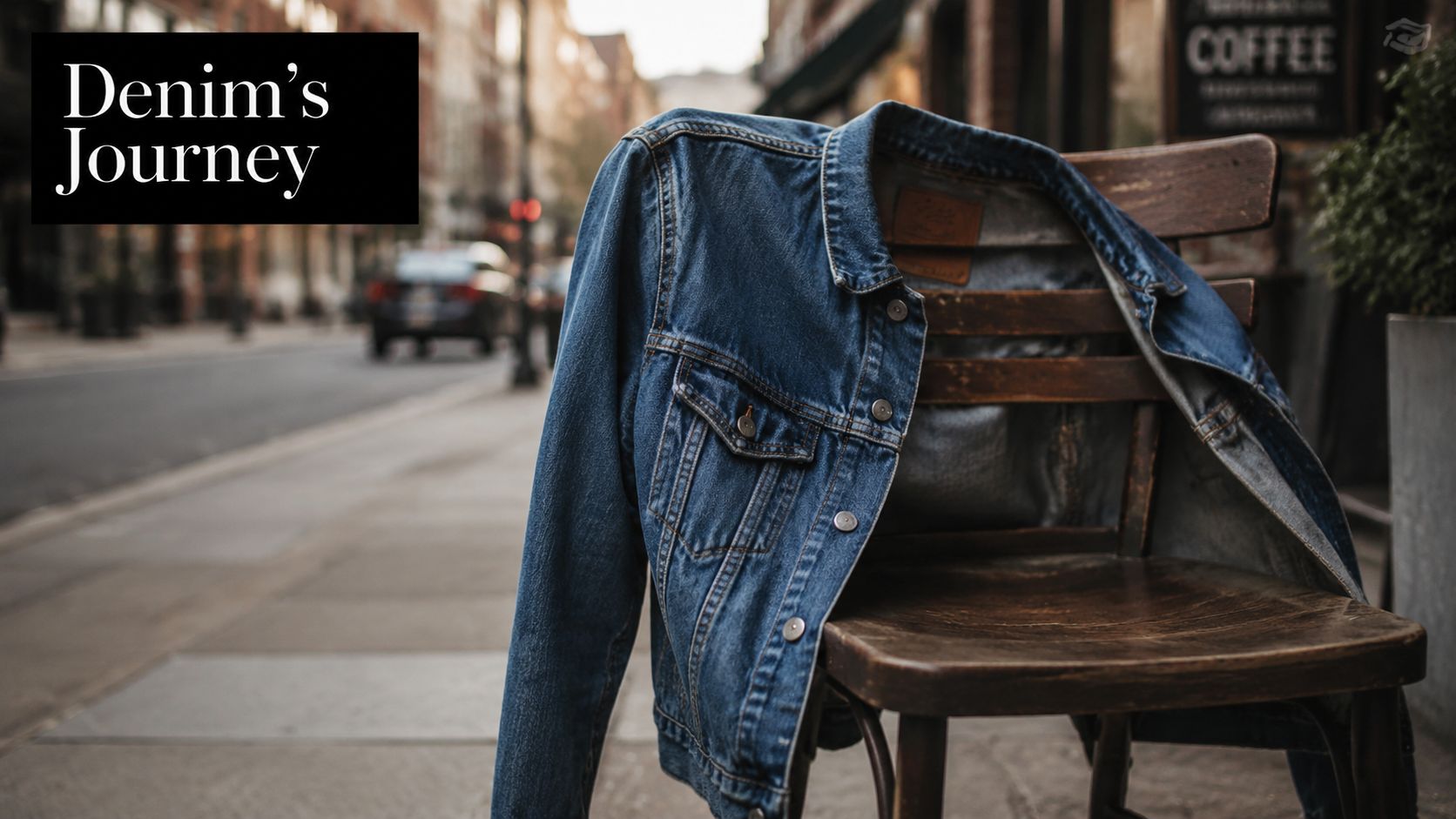
Denim has always carried a kind of contradiction. It's practical, tough, and rooted in labour, yet it also turns up on catwalks, in well-crafted separates, and in wardrobes where nothing else is especially rugged. That mix is part of why sewists keep coming back to it.
Historically, denim is commonly traced to Nîmes, France, where “serge de Nîmes” developed into the fabric now known as denim, a story widely cited in textile histories and outlined in this denim background reference. That origin matters because it reminds us denim wasn't invented as a trend fabric. It began as a woven cloth valued for structure and endurance.
Why that history still matters in the sewing room
When you handle denim today, you're still dealing with those same core qualities. It holds shape. It stands up to abrasion. It works for garments that need to be lived in rather than merely worn. That's why it suits everything from hard-working aprons to sharply topstitched skirts and boxy overshirts.
In the UK, denim sits inside a much bigger clothing ecosystem. The British Fashion Council and UK Fashion & Textile Association report that the UK fashion and textile industries contribute about £62 billion to GDP and support more than 1.3 million jobs, which helps explain why denim remains commercially important across British apparel supply chains. It's not a niche fabric. It's one of the cloths people repeatedly buy, wear, repair, and remake.
Practical rule: If a fabric has survived decades of changing fashion while still serving real use, it usually has something structurally useful to offer a home sewist.
From miners to makers
What changed over time wasn't denim's usefulness. It was the range of ways people wore it. Workwear jeans gave way to fashion jeans. Utility jackets became style pieces. Heavy cotton twill moved from factory floors into everyday wardrobes, then into dressmaking patterns, student collections, and small-batch labels.
That's why denim can feel deceptively simple. You think you're buying one familiar fabric. In reality, you're choosing among many versions of a very old, very adaptable cloth.
A sewist usually asks more practical questions than a fashion buyer does:
- Will this weight behave in my pattern
- Will my machine cope with the seams
- Do I want crisp structure or a softer drape
- Is this worth paying extra for if the style hides most of the special features
Those are the decisions that shape the final garment. Denim's history gives it character, but your success with it comes down to reading the cloth in front of you and accurately matching it to the project.
Understanding the Denim Weave and Fibre
Denim's strength starts with its structure. At its simplest, it's a cotton twill fabric with a warp-faced construction. If plain weave fabric looks like a straightforward over-under basket, twill looks like those threads have stepped sideways in a regular rhythm, creating the familiar diagonal line.
What the twill weave actually does
That diagonal rib isn't just decorative. It helps denim resist wear and gives it more flexibility than a stiff plain weave of similar heft. The cloth can bend around knees, elbows, hips, and seams without feeling brittle. That's one reason jeans age with character instead of wearing out at the first stress point.
A useful way to picture it is a brick wall. Plain weave stacks threads in a more grid-like way. Twill shifts the alignment slightly, like staggered bricks. That stagger helps distribute strain, which is why denim copes so well with repeated movement.
If you want a broader grounding in how weave changes fabric behaviour, this guide to distinctions in cotton weave is helpful. It gives useful context for why denim feels so different from poplin, lawn, or canvas even when the fibre base is still cotton.
Why denim is blue on one side and pale on the other
Classic denim is usually woven with indigo-dyed warp yarns and undyed or lighter weft yarns. That's why the face is typically blue or deep indigo, while the reverse looks much paler. If you ever unfold a fabric bolt and wonder why the wrong side looks almost like a different cloth, that's normal.
This also affects sewing. Turn-ups, pocket bags, facings, and exposed seam details can all show that contrast. Sometimes that contrast is exactly what makes a handmade denim garment look interesting. Other times it means you need to think more carefully about where the wrong side might flash.
If your pattern includes a deep cuff, visible inside yoke, or unlined hood, check whether you actually like the wrong side before cutting.
Fibre content and how it changes the job
100% cotton denim is the classic choice. It gives a crisp outline, breaks in beautifully, and suits patterns that rely on shape rather than cling. It's excellent for chore coats, rigid jeans, A-line skirts, dungarees, and structured pinafores. The downside is that it can feel stubborn at first. It doesn't forgive fitting errors the way a stretch fabric does.
Stretch blends solve a different problem. Add elastane and the fabric becomes easier to wear close to the body. It can move with you, recover after sitting, and make fitted jeans or pencil skirts much more comfortable. The trade-off is that some stretch denims can grow baggy if the recovery is poor, especially at knees and seat.
For home sewing, the practical split is simple:
- Choose rigid denim when the garment shape should come from the cloth.
- Choose stretch denim when the garment shape should follow the body.
- Be cautious with very soft blends for details like collars, waistbands, and fly fronts unless you're willing to interface more heavily.
Not every pattern labelled “for denim” means the same thing. A vintage-style jacket wants very different fibre behaviour from pull-on jegging-style trousers. Read the line drawing, then handle the fabric with the finished silhouette in mind.
Decoding Denim Weights and Stretch
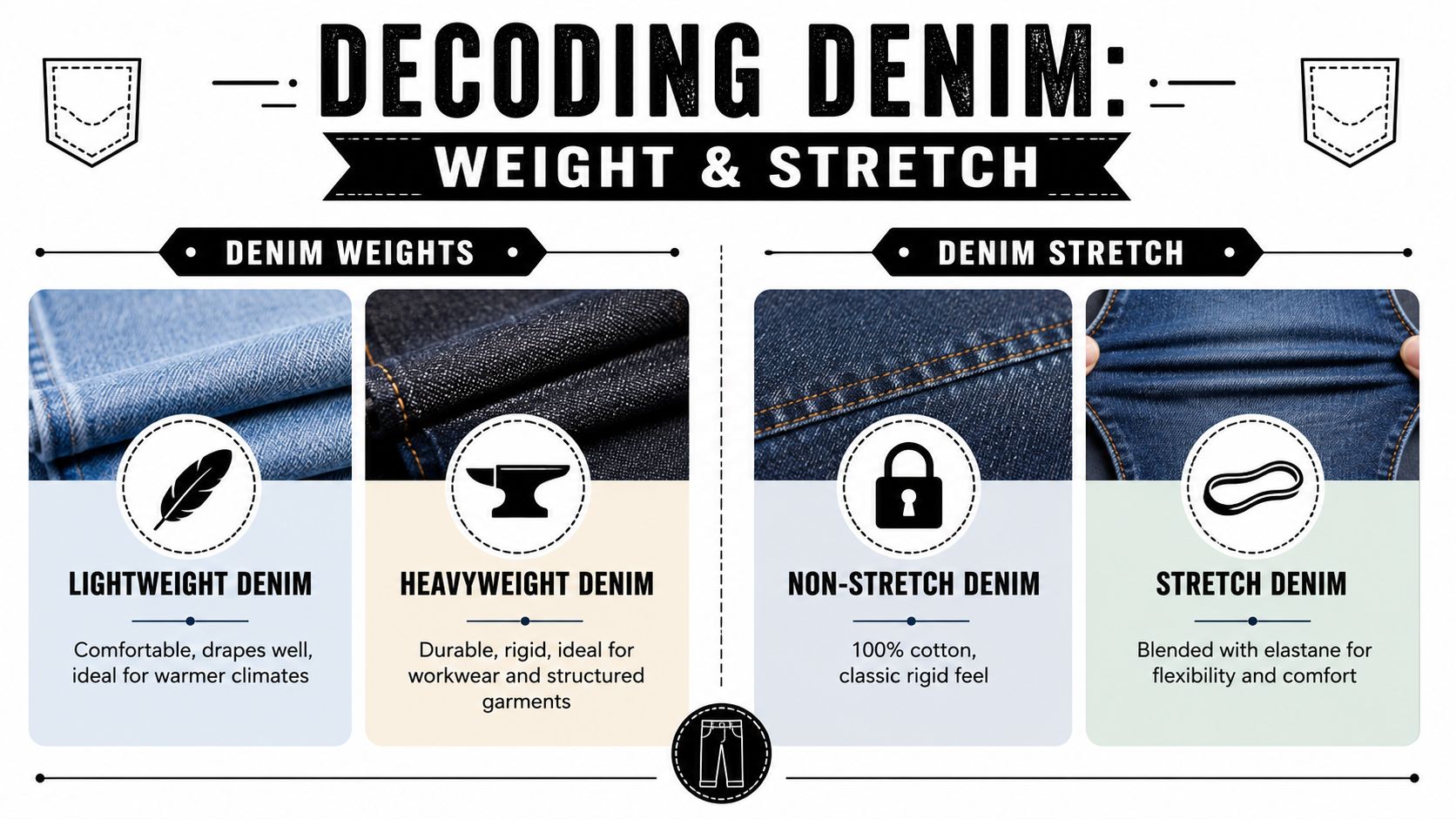
Weight is the first thing I check after fibre content, because it settles most of the project questions immediately. Cotton Incorporated notes that finished denim commonly ranges from 3.5 to 16.5 oz/yd², with 8.0 to 16.5 oz/yd² typically used for trousers, jeans, and jackets, while 3.5 to 8.0 oz/yd² suits shirts and tops in its denim manufacturing bulletin.
That sounds technical until you put it into garment terms. Lightweight denim bends. Midweight denim shapes. Heavier denim builds structure.
How to read weight without overthinking it
If you've ever compared printer paper, card, and mount board, you already understand the idea. They're all paper, but they behave completely differently. Denim weight works the same way. The number doesn't tell you everything, but it tells you how much body and resistance you're likely to be handling.
Here's a practical reference point.
| Weight (oz/yd²) | Weight (GSM) | Feel & Characteristics | Ideal Garments |
|---|---|---|---|
| 3.5 to 6 | Approx. 119 to 203 | Light, flexible, easier to gather and drape, less seam bulk | Shirts, tops, loose dresses, lightweight pull-on skirts |
| 6 to 8 | Approx. 203 to 271 | Soft to moderate body, more stable than shirting, still manageable on most home machines | Shirt dresses, casual skirts, relaxed trousers, children's wear |
| 8 to 10 | Approx. 271 to 339 | Balanced structure, good everyday dressmaking denim | Straight skirts, casual jackets, easy trousers, utility shirts |
| 10 to 12 | Approx. 339 to 407 | Firm, classic denim feel, stronger shape retention | Jeans, pinafores, overshirts, structured skirts |
| 12 to 14 | Approx. 407 to 475 | Dense, sturdy, more seam bulk, strong silhouette | Traditional jeans, denim jackets, workwear-inspired pieces |
| 14 to 16.5 | Approx. 475 to 559 | Heavy, rigid, abrasion-resistant, demanding to sew neatly | Hard-wearing jeans, chore coats, heavy jackets, utility projects |
What works for common patterns
Some pairings are usually reliable:
- A relaxed shirt dress works best in the lighter end, where the fabric can still move.
- A classic five-pocket jean usually looks right once the cloth has enough body to support topstitching, pocket edges, and fly construction.
- A boxy jacket benefits from a firmer denim that can hold collar points, cuffs, and front bands cleanly.
- A swishy gathered skirt can become bulky quickly if the denim is too heavy.
One of the most common mistakes is choosing denim by colour alone. Dark indigo looks tempting for almost any project, but if the fabric is too dense for the design, the garment will fight the pattern all the way through construction.
Stretch categories that matter in real sewing
Stretch changes fit, not just comfort. A rigid denim asks for enough ease to sit, walk, and bend. A comfort stretch denim can skim closer to the body without feeling restrictive. A very stretchy denim needs more caution because the finished garment can relax over time.
Use this rule of thumb when matching stretch to style:
- Non-stretch denim suits vintage jeans, jackets, overshirts, and structured skirts.
- Comfort stretch denim suits fitted jeans, cigarette trousers, and neat pinafores.
- High-stretch denim is better for body-hugging patterns drafted specifically for stretch.
Heavy denim can be durable and still be the wrong choice. If your pattern needs folds, gathers, or soft movement, extra toughness won't help.
If you're ever torn between two weights, choose based on the seam count. More panels, pockets, facings, and topstitched layers mean more bulk. That's often the deciding factor.
A Guide to Common Denim Finishes
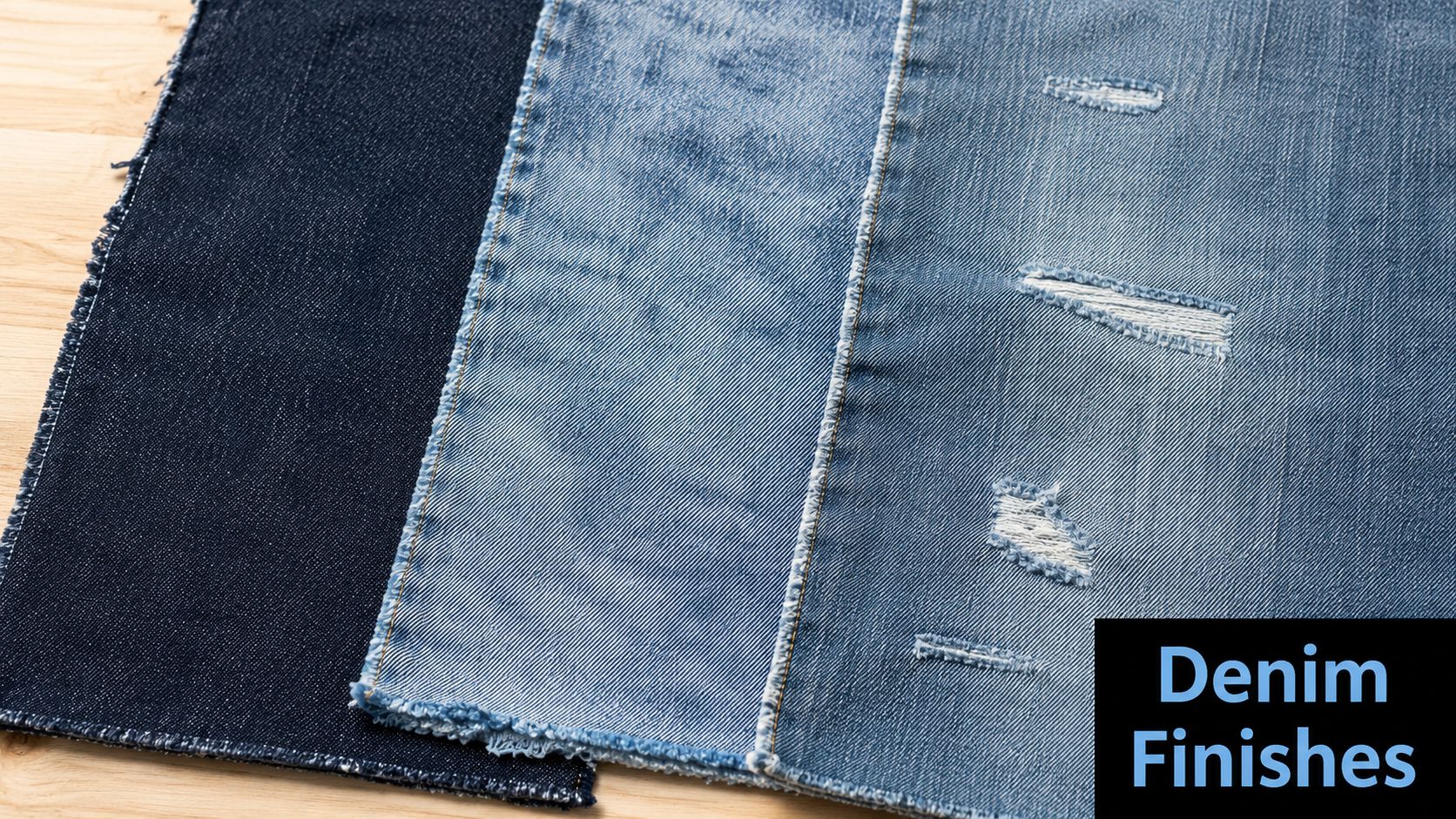
Two denims can share the same weight and fibre content yet sew completely differently because the finish changes the cloth. This explains why many online fabric purchases go slightly wrong. A sewist expects “12 oz denim” and forgets that washed, raw, brushed, and selvedge versions won't behave the same.
Raw and sanforized
Raw denim is unwashed and often feels crisp, dry, and slightly boardy in the hand. It's popular because it develops wear marks and softens according to how the garment is used. For a sewist, raw denim means two things. First, expect more dye transfer. Second, treat pre-washing as essential unless you are deliberately sewing with shrinkage in mind.
Sanforized denim has been pre-shrunk in finishing, so it's more predictable. That doesn't mean you should skip washing before cutting. It means the cloth is generally less dramatic in how it changes. If you're making your first pair of jeans or a jacket you want to fit reliably, sanforized denim is usually the calmer option.
Selvedge and whether it's worth it
Selvedge denim is woven so the edge finishes itself neatly, usually with a visible coloured line along the selvage edge. Sewists often love it because that edge can become a design feature at a cuff, coin pocket, inside seam, or waistband facing.
But selvedge isn't automatically the right buy for every project. If you're making a flared skirt with wide pattern pieces, you may barely use the special edge at all. If you're making straight-leg jeans with a turn-up hem, the selvedge can become part of the visual appeal. Price only makes sense if the project showcases what makes the fabric special.
A simple test helps. Before buying, ask yourself where the selvedge will be visible in the finished garment. If the answer is nowhere, buy it because you love the cloth, not because the term sounds premium.
Washed and distressed finishes
Stonewashed and distressed denims feel more broken-in from the start. They're often easier to sew because the fabric is softer and less springy under the presser foot. That softness can be lovely in casual skirts, boiler suits, and relaxed jackets.
There is a downside. A heavily distressed surface can have less visual crispness for sharp topstitching and pressed edges. If you want immaculate collar points, deep indigo contrast, and a polished finish, a pre-aged denim may not give you that look.
Consider these practical effects:
- Softer hand makes handling easier.
- Faded surface can make seam unpicking more visible.
- Worn-looking finish suits casual garments better than formal, structured ones.
Piece-dyed and garment-dyed options
Not all denim is traditional indigo. Some denims are dyed in black, ecru, rust, olive, or saturated fashion shades. These can be excellent for patterns where you want denim's structure without the classic jeans look.
A black or coloured denim is useful if you want a cleaner silhouette and less western styling. It's especially good for simple skirts, workwear-inspired dresses, and utility jackets where shape matters more than heritage detailing.
Buy finish for the life you want the garment to have. Raw and rigid soften into you. Washed denim arrives halfway lived-in.
The smartest habit is to treat finish as part of the pattern choice, not an afterthought. The same jacket sewn in raw denim, stonewashed denim, and black garment-dyed denim can look like three entirely different garments.
Essential Tips for Sewing With Denim
Denim is forgiving in wear and demanding at the machine. Most problems come from bulk, blunt needles, or trying to force a domestic machine through too many layers too quickly.
Start with preparation, not bravado
Pre-wash your denim before cutting. Wash it the way you plan to wash the finished garment. Dark denim can bleed, and stiffer finishes can relax quite a bit after the first laundering. If I'm working with a very dark indigo, I keep it separate at first and press it dry enough to assess how much body remains.
Then cut with intention. Denim shifts less than slippery viscose, but it can still skew if the fabric hasn't been laid flat properly. Use pattern weights if you like, but for heavier denim I often prefer a few well-placed pins plus a rotary cutter for long edges.
Match the needle to the cloth
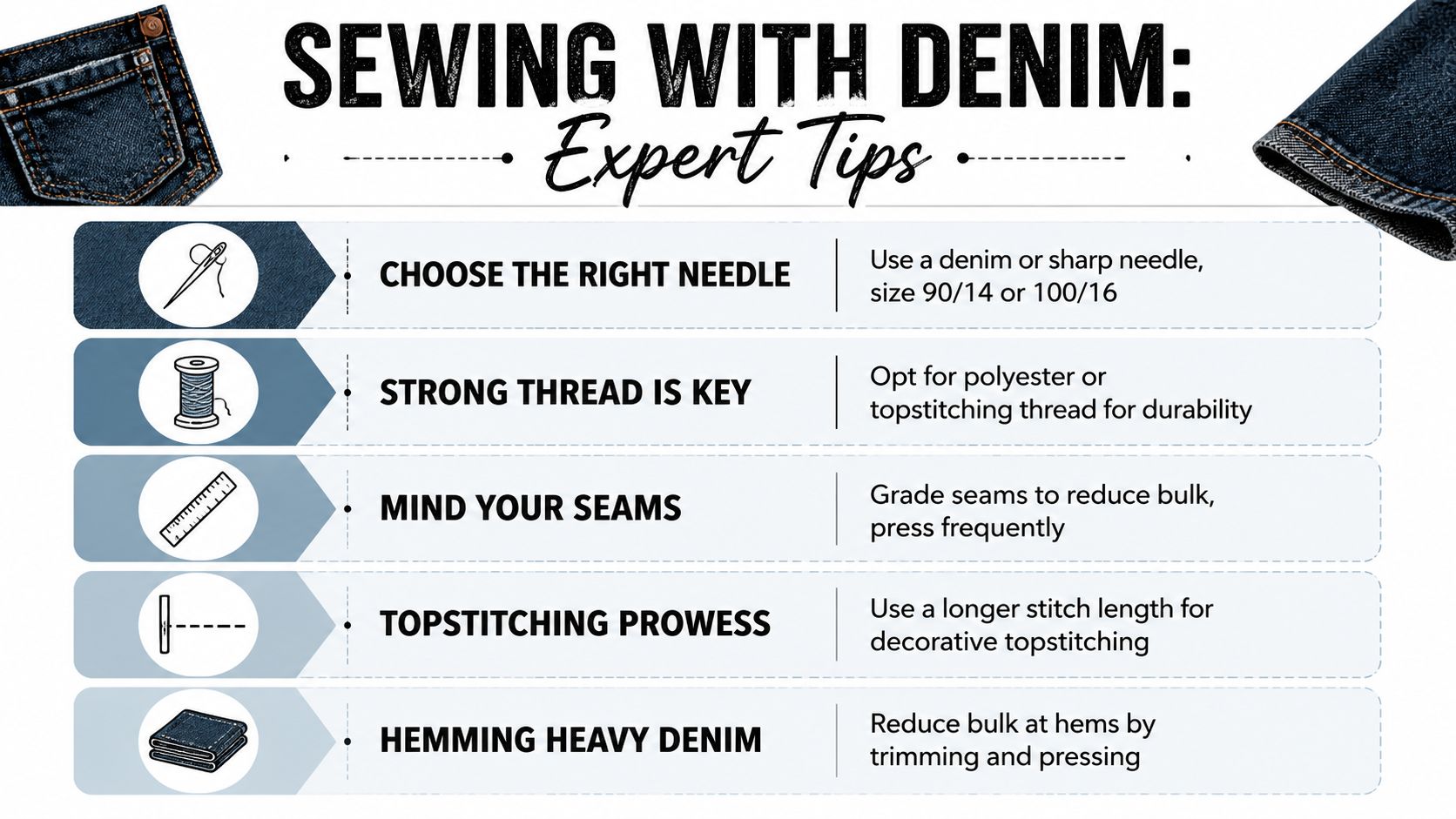
A denim or jeans needle matters because it's built to penetrate dense fabric cleanly. For many home projects, 90/14 works well on lighter to medium denims, while 100/16 is better once the cloth gets firmer or the seam intersections get chunky. If you hear a popping sound, see skipped stitches, or notice the machine struggling to pierce evenly, stop and change the needle first.
Good denim sewing usually involves more needle changes than people expect. One needle can dull halfway through a jeans project, especially if you're crossing flat-felled seams, waistband joins, and hems.
Control bulk before it controls you
Bulk management is what separates enjoyable denim sewing from muttered swearing at the machine. Try these methods together rather than relying on one miracle trick.
- Grade seam allowances by trimming each layer to a different width so the stack spreads rather than clumps.
- Hammer thick joins gently with a sewing hammer or a household hammer reserved for the sewing room. Protect the fabric with a scrap first.
- Use a hump jumper or folded card behind the presser foot when climbing over a raised seam. It levels the foot and stops short stitches.
- Trim hidden layers where nobody will ever inspect the inside with a magnifying glass.
Here's a good demonstration of denim handling in action:
Thread, stitch length, and topstitching
Regular polyester thread is fine for construction. For visible topstitching, use topstitching thread in the needle or reserve it for the top spool only if your machine dislikes heavy thread in the bobbin. Test first. Some domestic machines form neater stitches with ordinary thread in the bobbin and heavier thread only on top.
Lengthen your stitch for topstitching so it sits proudly on the surface instead of sinking in. Dense denim can make tiny stitches disappear visually and perforate the fabric more than you want.
For a classic jeans look:
- Sew the structural seam first with standard thread.
- Press thoroughly.
- Topstitch from the right side with a longer stitch.
- Use an edge guide or the side of the presser foot to keep the second row parallel.
Seams and hems that hold up
Flat-felled seams are excellent for denim because they enclose raw edges and spread strain well. They do add bulk, so they're best where the fabric weight allows it. On very heavy denim, a mock flat-felled seam often gives a similar look with less wrestling.
Hems deserve patience. If the hem crosses a side seam with several layers, reduce bulk before you fold. Sometimes that means trimming one seam allowance hard, opening the seam within the hem allowance, or using hem tape to stabilise a stubborn edge.
A few things usually don't work:
- Forcing the machine by pulling fabric from behind
- Sewing thick intersections at full speed
- Pressing casually instead of properly
- Using universal needles for the whole project and hoping for the best
Denim rewards steady sewing. Short bursts, frequent pressing, and a willingness to trim hidden bulk will usually beat brute force.
Caring For Your Handmade Denim Garments
A handmade denim garment lasts longer when you wash it with a bit of restraint. Denim doesn't usually need the same treatment as a thin jersey top worn next to the skin. Frequent aggressive washing can flatten the character of the fabric, fade the surface, and put extra stress on seams and edges.
Everyday care that keeps the fabric looking good
Wash denim inside out to protect the face of the cloth. Use cold water and a mild detergent. Keep dark colours with dark colours, especially early on when excess dye may still be present.
If the garment isn't dirty, a full wash often isn't needed. Spot cleaning a cuff, waistband edge, or small mark can be enough between proper washes. This is particularly useful for jackets and overshirts, which tend to need refreshing less often than jeans.
Turn it inside out, wash it cool, and let air do the drying. Those three habits prevent a lot of avoidable wear.
Drying and shape retention
Line drying is kinder than tumble drying. It helps preserve colour, reduces stress on fibres, and avoids that over-baked stiffness some denims get after a hot dryer cycle. Reshape the garment while damp, especially around waistbands, collars, button plackets, and pocket edges.
For trousers, I like to smooth the inseams and hems by hand before hanging. For jackets, I button or zip them partway so fronts don't twist while drying.
A few sensible habits help:
- Hang in the shade if the denim is dark and you want to keep the colour rich.
- Avoid wringing because it can distort heavy areas.
- Press lightly after drying if the garment has become crumpled at seams.
Special care for raw denim
Raw denim likes a gentler approach. If you've made a garment from a rigid, unwashed cloth, harsh laundering can strip away the crispness that made you choose it in the first place. A cool soak or careful hand wash is often enough when it finally needs cleaning.
There's no need to turn raw denim care into mythology. You don't need to be precious to the point of never washing it. You do want to be thoughtful. Clean it when it needs cleaning, handle it gently, and let the fabric develop its own wear pattern over time.
Handmade denim looks best when it records use. Proper care doesn't freeze it in time. It lets the garment soften, fade, and settle without falling apart.
Sourcing Denim Sustainably and Smartly
Buying denim well starts with reading beyond the colour and the close-up photo. The best purchase is rarely the one with the trendiest wash name. It's the one whose weight, fibre content, finish, and intended use all line up.
What to check before you buy
When you shop online, slow down and scan the listing for the details that affect sewing, not just style.
- Composition first tells you whether you're getting rigid cotton or something with stretch.
- Weight next tells you whether the fabric belongs in a shirt, skirt, jean, or jacket.
- Finish after that helps you judge shrinkage, softness, and how the garment will age.
- Width matters too because wider denim can change how much you need for layouts with large pieces.
If samples are available, order them. Denim is one of those fabrics where hand feel can settle a decision quickly. Two similar listings on paper can feel completely different once they're in your hand.
Sustainable options that make practical sense
Organic cotton, recycled content, and responsibly sourced fibres all matter, but the most useful sustainable choice for many dressmakers is often deadstock denim. Deadstock gives existing fabric a future use instead of leaving it stranded in a warehouse or heading toward waste. It can also be a brilliant way to access unusual washes, better-quality cloth, or ex-designer stock that feels different from mass-market basics.
For broader inspiration on material values and longevity, this piece on heirloom-quality sustainable textiles is worth reading. The phrase matters because it shifts the focus from cheap fabric that does a short job to cloth you want to keep using.
There's also growing interest in transparent denim sustainability information in the UK. A 2025 report by the UK Sustainable Fashion Alliance found that 73% of UK consumers prioritise sustainable denim, yet only 12% of UK fabric retailers provide transparent metrics on carbon emissions or biodegradability. That gap makes fabric descriptions and swatches even more important when you're trying to buy thoughtfully.
Buy for the garment you'll actually make
A smart denim purchase isn't the most expensive one or the most “premium” sounding one. It's the one you can picture clearly as a finished garment. If you can't imagine the pattern, the seam bulk, the needle choice, and the final silhouette, keep looking.
Denim fabric material becomes much easier once you stop asking “Is this good denim?” and start asking “Is this right for this project?” That single shift saves money, sewing time, and disappointment.
The best denim projects usually come from clear pairings. Soft denim for movement. Firm denim for structure. Special selvedge where it can be seen. Deadstock when you want quality with a lower-waste mindset. Samples when you're unsure.
If you're ready to sew your next denim piece, More Sewing is a strong place to start for quality dressmaking fabrics, haberdashery, swatches, and practical supplies that help you choose with confidence rather than guesswork.
