You've probably done this already. You spot a linen dress or shirt that looks relaxed, expensive, and easy to wear. Then you start planning your own version, open the fabric listings, and immediately hit the key questions. Which weight? Pure linen or a blend? Will it crease the moment you sit down? Will it turn see-through in daylight?
Those are the right questions.
Linen material for dressmaking is one of the most rewarding fabrics to sew, but it works best when you match the cloth to the garment and sew it with the fabric's character in mind. Treat it like a floaty viscose and you'll fight it. Treat it like a stable shirting or a crisp natural cloth with its own agenda, and it becomes much easier to cut, press and wear.
Why Linen Is a Favourite for Dressmakers
A good linen garment has a look that many fabrics try to imitate and rarely manage. It has texture without fuss, structure without stiffness, and a softness that feels lived-in rather than polished within an inch of its life. That's why so many home sewers come back to it after trying other summer fabrics.
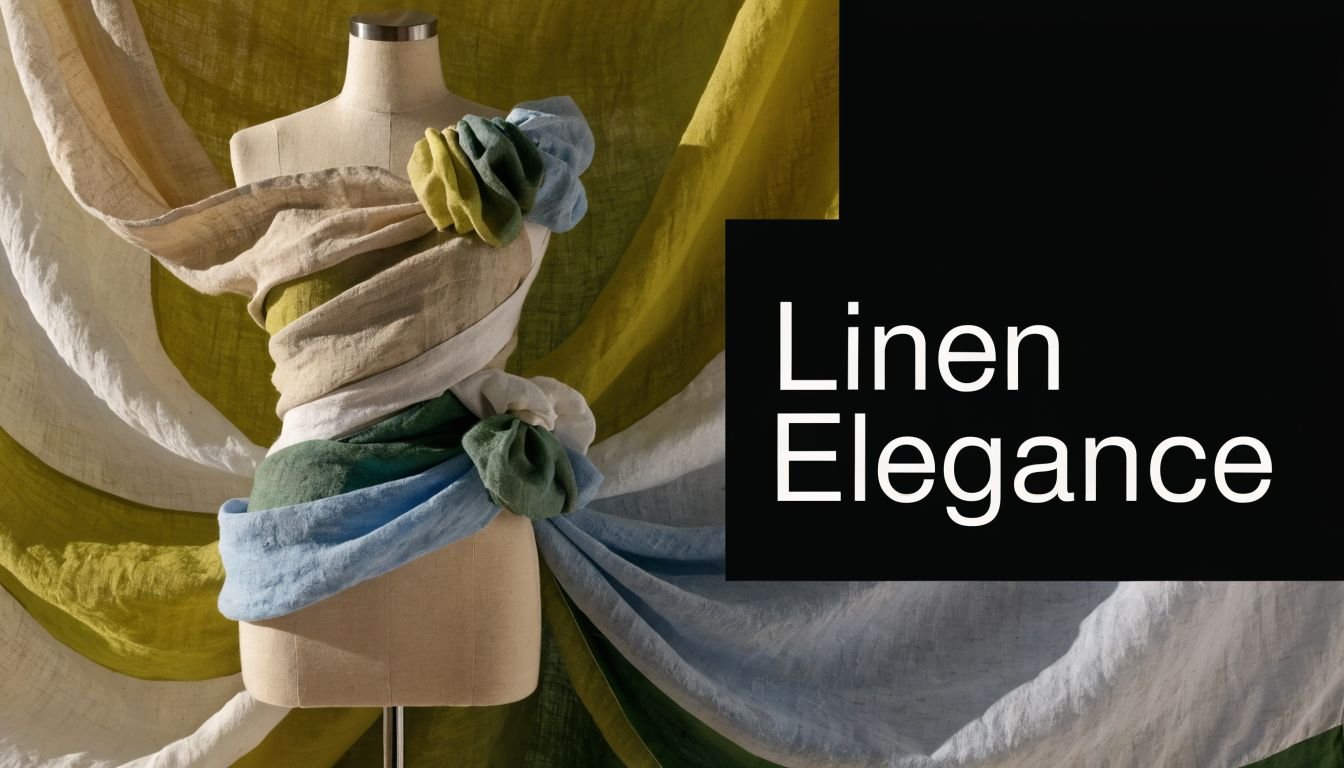
What makes linen especially satisfying for dressmaking is that it suits real wardrobes. A simple shift dress in washed linen looks appropriate with sandals, trainers, or a cardigan. A straight skirt in a firmer linen-cotton blend can be casual on Monday and tidy enough for lunch out on Saturday. You don't need dramatic pattern details to make it work. Often, the fabric itself does the heavy lifting.
Why sewists keep reaching for it
Some fabrics are chosen for novelty. Linen is usually chosen for wearability.
A few reasons it stays popular in sewing rooms:
- It handles daily use well. Linen's high tensile strength is one of its big practical advantages, which is why it's such a sensible choice for trousers, overshirts, pinafores and simple jackets.
- It feels comfortable in warm weather. Linen sits away from the skin and doesn't tend to feel sticky in the same way some synthetic blends can.
- It improves with washing and wear. Many sewers find their finished garment looks better after a few wears than it did straight off the ironing board.
- It suits straightforward sewing patterns. Clean seams, simple collars, elastic waists and loose shapes all pair well with its natural finish.
Practical rule: If you want a garment that looks better slightly rumpled than perfectly pressed, linen is often the right choice.
It's accessible, not intimidating
Newer dressmakers sometimes assume linen is for advanced sewists because it has a reputation for creasing and fraying. In practice, many linen fabrics are easier to handle than slippery challis, fine viscose or stretch jersey. They stay put fairly well under the presser foot, they respond beautifully to pressing, and they forgive simple silhouettes.
The key is choosing a project that lets linen behave like linen. A boxy top, pull-on trousers, a sleeveless dress, or a shirt dress with uncomplicated details will usually give a better result than forcing a very clingy, highly fitted design into a cloth that prefers ease.
The Qualities of Linen Fabric Explained
Linen comes from flax, and that helps explain nearly everything people notice about it at the sewing machine and in the wardrobe. It's strong, breathable, a little crisp, and not very forgiving of creasing. Those qualities aren't random. They come from the fibre itself.
Think of flax fibres as long, straight strands with very little bounce. They're a bit like uncooked spaghetti. They can take a good pull, but they don't want to stretch and spring back. That's why linen can feel sturdy and dependable, yet wrinkle the moment a garment bends at the waist or elbow.
Why it feels cool to wear
One of linen's best traits in clothing is moisture handling. Linen can absorb up to 20% of its weight, and its bast fibre structure has micro-pores that help moisture wick and evaporate. In the same source, textile trials are cited as showing it can dry 50% faster than cotton, which is one reason linen feels cooler in warm UK weather (linen fibre and moisture behaviour).
That cooling effect is noticeable in real garments. A loose linen shirt on a humid day feels different from a dense cotton poplin shirt. It tends to feel drier, lighter on the body, and less clammy after a walk to the station or an afternoon in a conservatory.
Why it wrinkles so easily
The same structure that gives linen crispness also gives it its famous creases. It has low elasticity, so once the fibres are bent, they don't bounce back very well.
That's not a flaw to “fix” completely. It's better to understand where wrinkles matter and where they don't.
| Garment area | What linen tends to do | What usually works |
|---|---|---|
| Elbows and back waist | Creases quickly | Allow ease in the pattern |
| Full gathered skirts | Soft rumpling rather than sharp creasing | Choose washed linen or a blend |
| Collars and cuffs | Can look limp without support | Add interfacing where needed |
| Wide legs and loose tops | Creasing looks natural | Let the texture show |
Linen looks best when the pattern allows a bit of movement and a bit of rumple.
Why it can feel both crisp and soft
This confuses people the first time they buy it. Some linen feels almost papery on the bolt, while another feels fluid and broken-in. Finish matters. So does weight. So does whether the fabric is pure linen or blended.
For dressmaking, that means you shouldn't buy by fibre label alone. 100% linen tells you only part of the story. The finish, density, and weave matter just as much when you're deciding whether something will become a neat shirt, a drapey dress, or a pair of trousers that hold their shape.
How to Select Linen Weight and Type
The biggest mistake people make with linen material for dressmaking is choosing by colour first and weight second. Weight changes the whole garment. A perfect sage green won't save a dress if the cloth is too sheer, too rigid, or too heavy for the pattern.
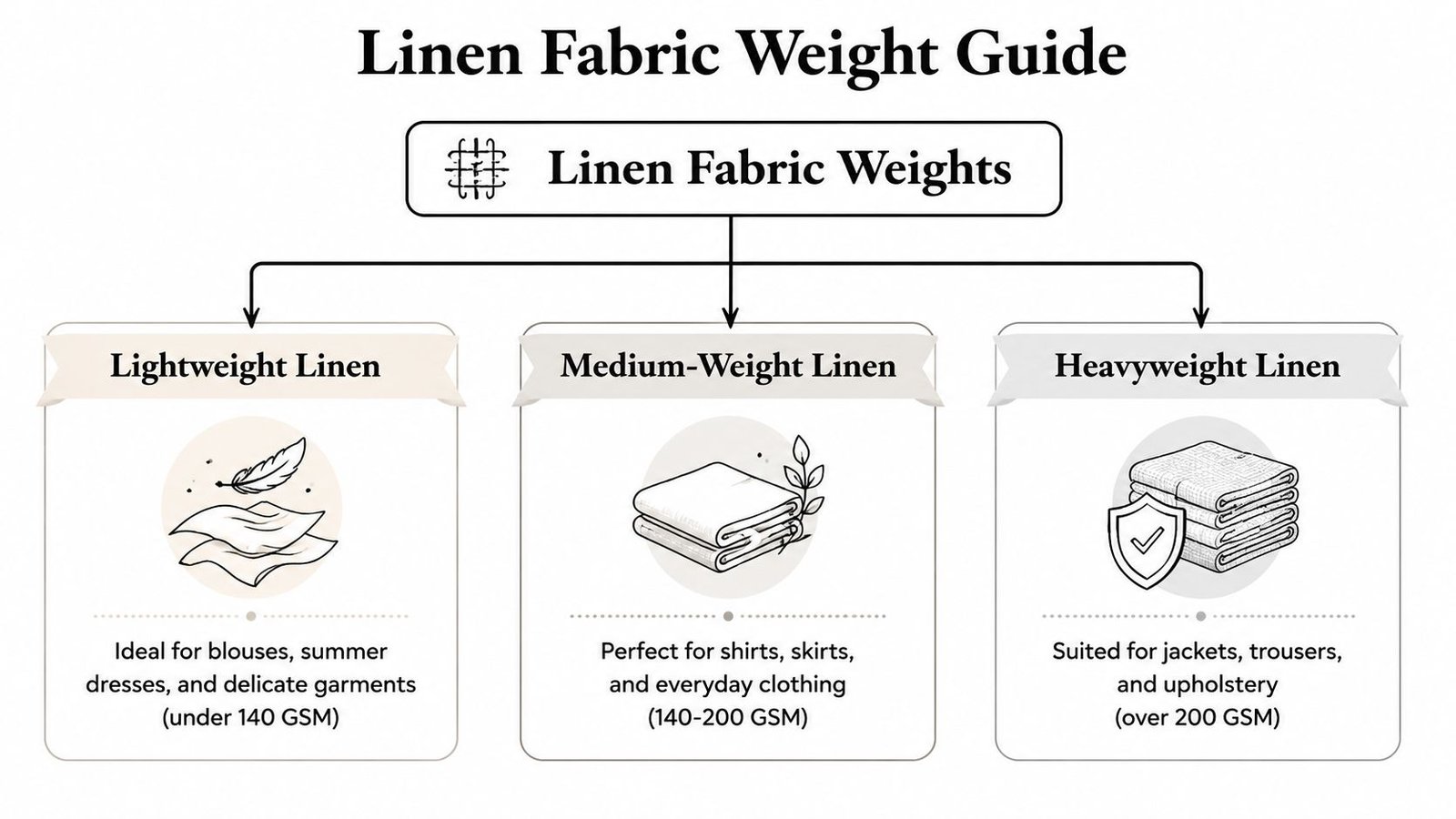
GSM means grams per square metre. In dressmaking terms, it's a quick way of judging whether the fabric will behave lightly, moderately, or with more structure.
A simple weight guide
| Weight | Best use | What to watch for |
|---|---|---|
| Under 140 GSM | Blouses, airy tops, soft summer layers, some linings | Can be sheer, may need a camisole or lining |
| 140 to 200 GSM | Shirts, everyday dresses, skirts, loose shorts | The most versatile range for many home sewers |
| Over 200 GSM | Trousers, pinafores, overshirts, jackets | More body, less drape, bulkier seams |
That middle band is where many successful linen garments live. It gives enough substance for everyday wear without feeling heavy or stiff.
What works well in the UK
British weather doesn't ask much from a fabric. It asks everything. You want something breathable on a warm day, but not so flimsy that it feels insubstantial when the sea breeze picks up or you need a cardigan over the top.
For variable coastal conditions, 130 to 150gsm washed linen is a strong choice for breezy dresses, because it helps prevent sheerness without becoming overly heavy. For unlined garments, a cotton-linen blend can hold its shape well, which is especially useful if you want a skirt or simple dress that doesn't collapse around the body (linen weight advice for UK sewing).
Pure linen or a blend
In this context, dressmakers can be more strategic.
- Choose pure linen if you want texture, crispness, and that classic natural look. It's excellent for shirts, easy dresses, pull-on trousers and relaxed co-ords.
- Choose linen-viscose if you want more drape. It's useful for swishy skirts, softer dresses, and styles with gathers that need to fall rather than stand away.
- Choose linen-cotton if you want stability. It's often easier for beginners to cut and sew, and it can be a better pick for skirts, unlined dresses and simple jackets.
A blend isn't a compromise if it suits the garment better. It's a smarter fabric choice.
Matching the cloth to the end use
When customers ask what to buy, I usually start with one question: do you want the garment to skim, drape, or hold shape?
Use that answer as your filter:
- Skim the body: try a softer washed linen in the midweight range.
- Drape and move: look for linen-viscose.
- Hold shape cleanly: choose linen-cotton or a firmer heavier linen.
If your pattern envelope says “drapey” and your fabric stands up on the cutting table, something's mismatched.
One more practical point matters here. Non-pre-shrunk linen can cause unpleasant surprises after sewing, so if you're buying online, look closely for washed or pre-shrunk options when possible. It saves disappointment later.
Matching Linen Fabric to Dressmaking Patterns
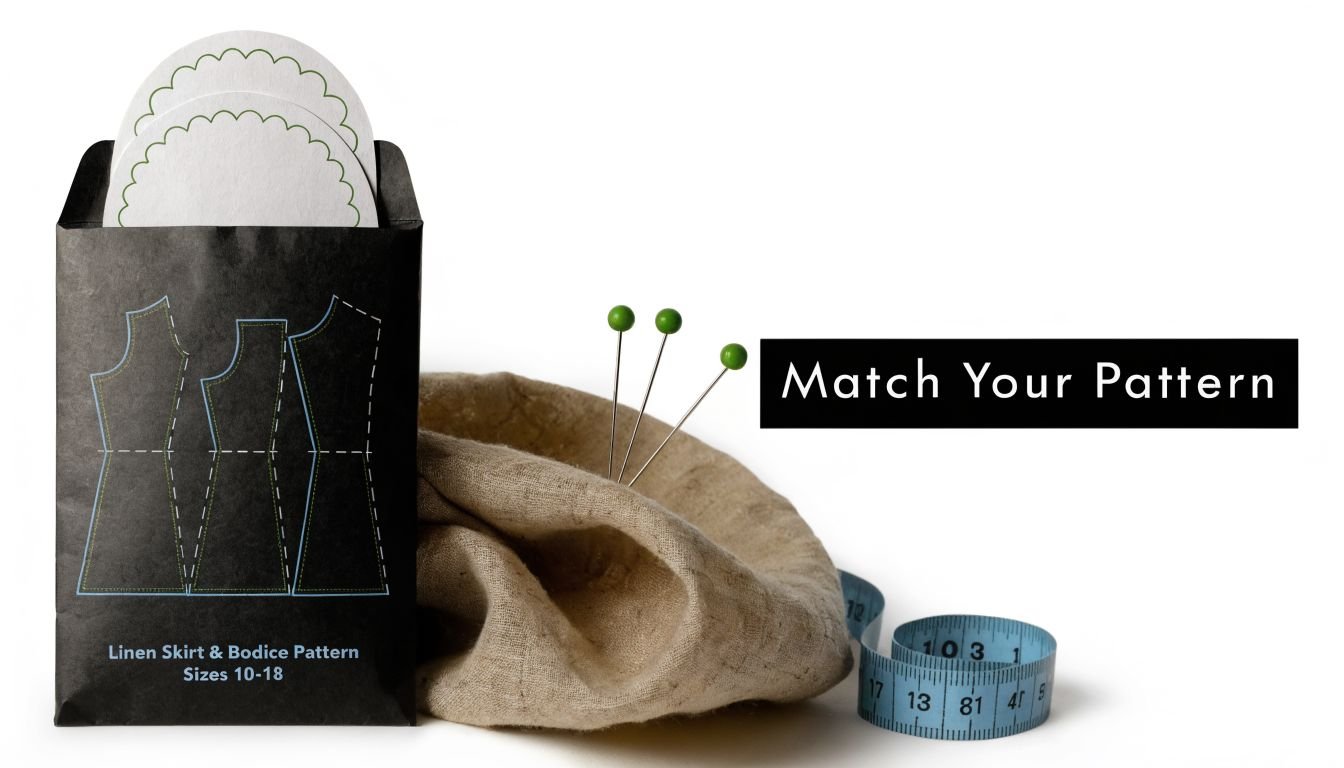
A pattern doesn't have to mention linen on the envelope to work beautifully in it. What matters more is line, ease, and how much shaping the garment demands. Linen shines when the design gives the fabric room to show its surface and movement.
Patterns that usually suit linen well
Simple shapes often produce the best result.
- Boxy tops and T-shaped blouses let linen's texture stand out without demanding fluid drape.
- Shift dresses and tunics work well because the cloth can hang straight without needing to cling.
- Wide-leg trousers and easy shorts benefit from linen's body and comfort.
- Shirt dresses are a natural fit, especially in midweight linen with a softened finish.
- Gathered skirts with simple bodices can be lovely in softer linen or linen-viscose blends.
These styles don't fight the fabric. They let it behave naturally.
Patterns that need more thought
Linen can be used for fitted garments, but the fit needs care. Sharp bust shaping, close waist seams, and tightly set sleeves can all exaggerate creasing. The garment may still look good, but it won't have that effortless finish people usually want from linen.
For first projects, I'd avoid very clingy wrap dresses, body-skimming sheaths, or anything depending on fluid bias drape. Linen can do elegance, but it does it in a more architectural way than a slinky fabric.
Use the pattern pieces as a clue
Spread out the pattern and look at the shapes before buying fabric. If the pieces are broad, straight, and uncomplicated, linen is often a good candidate. If there are many curved seams, tiny facings, and a lot of close-fitting detail, a different fabric may be easier.
Fabric quantity matters too, especially with wider skirts, sleeves, or directional layouts. If you want a reliable way to double-check what a pattern might need before ordering fabric, this practical fabric estimation guide is worth bookmarking.
A successful linen project often looks simple on paper. That simplicity is usually the reason it works so well.
Essential Techniques for Sewing with Linen
Linen rewards careful preparation. If you skip the prep and rush the finish, it will tell on you. If you wash it properly, press as you go, and control the fraying, it becomes one of the most satisfying fabrics to sew.
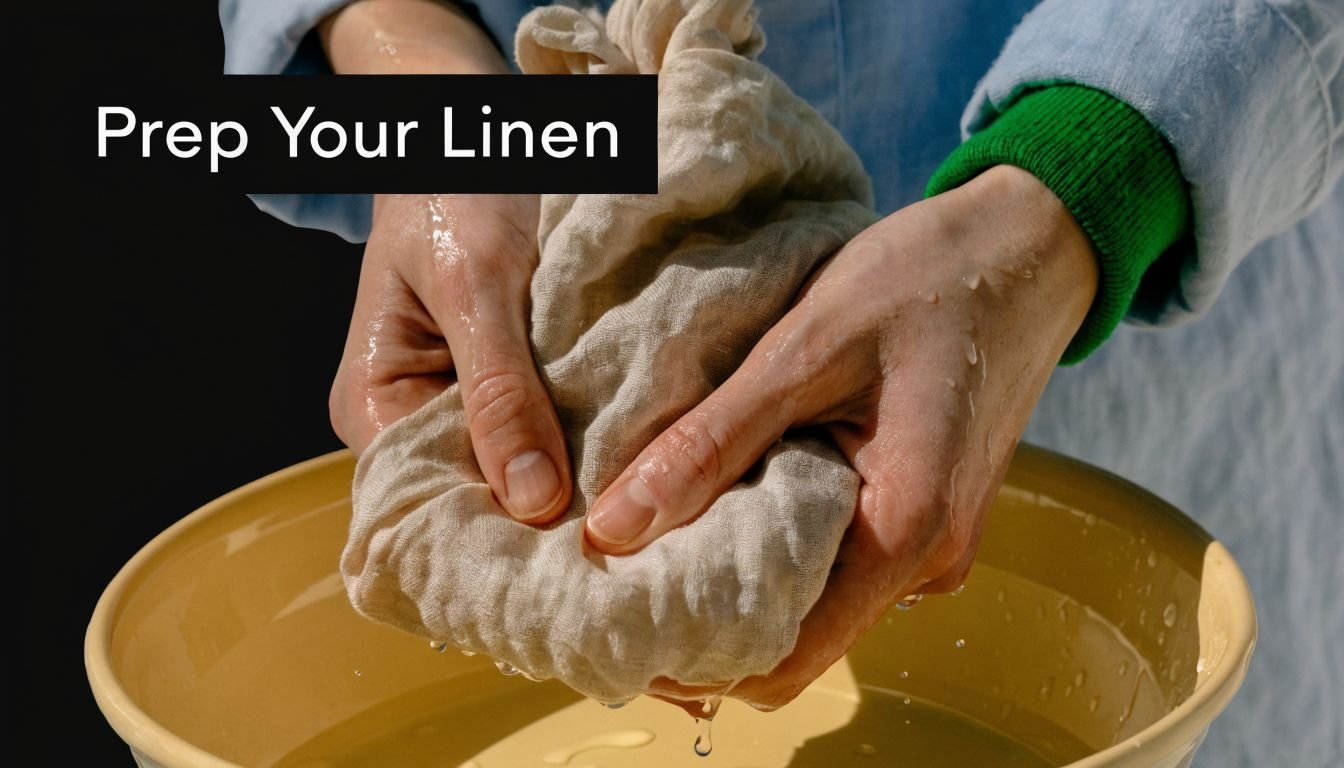
Pre-wash before you even think about cutting
This is not optional. Linen has low elasticity and can shrink by 3 to 5%, so it should be pre-washed at 40°C before cutting (linen preparation and shrinkage guidance).
For dressmaking fabric, I like to do the full treatment the finished garment is likely to get. Wash it, dry it the way you'll dry the garment later, then press it thoroughly before laying out pattern pieces. If the linen arrives especially loose at the cut edges, stitch or zigzag the raw ends first so they don't unravel into a tangle in the wash.
Cut with control
Linen can shift slightly on the table, especially softer washed qualities. That doesn't mean it's difficult. It just means accuracy matters.
A few habits make a real difference:
- Use a large flat surface so the fabric isn't hanging off the edge.
- Press before cutting because wrinkles distort pattern placement.
- Use pattern weights if you have them, especially on softer weaves.
- Mark clearly but gently. Tailor's chalk, a chalk pencil, or fine washable marker usually works well.
- Keep grainlines honest. Linen looks noticeably off if a front panel twists after sewing.
Needles, thread and stitch choices
Most linen behaves well with an ordinary domestic machine. A fresh universal needle is often enough for midweight cloth. If the fabric is denser or more textured, change the needle sooner rather than later rather than blaming the fabric for skipped stitches.
Good general choices:
- Needle: a fresh universal needle suited to the weight of the cloth
- Thread: all-purpose polyester thread for dependable construction
- Stitch length: slightly longer stitches often look better on midweight and heavier linen than very tiny ones
Short stitches can perforate some natural fabrics and make unpicking more obvious, so test on scraps first.
Pressing is part of the sewing
Linen becomes beautiful with proper pressing. Press every seam after stitching, then press it open or to one side as needed. Don't wait until the end.
If you're new to sewing linen, this demonstration is useful before your first project:
Steam helps enormously. So does pressing from the wrong side first when you're trying to avoid shine or flatten a seam allowance cleanly.
Workbench habit: Sew a seam, press it flat, then press it open. That short pause gives linen a much sharper finish than trying to press the whole garment at the end.
Stop the fraying before it starts
Linen frays. Some weaves fray modestly. Some fray with enthusiasm. Plan your seam finish early instead of deciding at the end.
Three good options:
- Zigzag or overlock the raw edges for everyday garments and faster sewing.
- French seams for lightweight linen blouses, shirts, pyjama-style garments, and any project where the inside should look neat.
- Bound seams if you're making an unlined jacket or a special garment where the interior matters as much as the exterior.
French seams are especially satisfying in lighter linen because they contain fraying completely and give a tidy, professional interior.
Interfacing and structure
Linen collars, cuffs and button bands often need support. For those areas, Vilene H250 is a sensible fusible choice, especially where you want shape without making the garment feel board-like. It's useful in shirt collars, cuff facings, waistband pieces and plackets.
If wrinkling is your biggest concern, there's another route. A linen-viscose blend can reduce wrinkling by 40% according to the same source linked above, which makes it a practical option for dresses and tops where you want a softer fall and less crumpling.
Buying Guide and Long-Term Fabric Care
Buying linen well is half the job. You can sew a simple pattern beautifully if the fabric is right. You can also make your life much harder by ordering blind and hoping the cloth will somehow become what you imagined.
What to check before buying
Start with touch and behaviour, not just fibre content.
If you can, order swatches first. That matters even more with linen than with smoother fabrics because finish varies so much. One “midweight linen” may feel dry and crisp. Another may feel softened, fluid and almost broken-in. A small sample tells you far more than a product title ever will.
A useful buying checklist:
- Check whether it's washed or pre-washed. That gives you a better sense of softness and shrinkage behaviour.
- Look at opacity. Hold a swatch to the light if you can.
- Scrunch it in your hand. You'll see quickly whether it relaxes attractively or creases sharply.
- Think about the project, not just the colour. Trousers, shirts and dresses all ask different things of the cloth.
Why deadstock linen is worth considering
Deadstock linen can be an excellent option if you want something less mass-market or you're sewing for a small label, a portfolio project, or a more individual wardrobe. There is a rising trend among UK designers for sustainable deadstock linen, and ordering sample swatches is important for checking quality and compliance, particularly for smaller brands. The same source also notes that pre-washed deadstock can offer reduced yellowing compared with raw linen (deadstock linen buying considerations).
That practical point matters for home sewers too. A swatch lets you judge colour accuracy, hand feel, thickness and whether the cloth suits your pattern before you commit to several metres.
Caring for finished linen garments
Linen isn't fragile, but it does respond better to sensible care than rough handling.
- Wash gently and avoid overloading the machine. Crowded loads can crease linen more harshly.
- Reshape while damp. Straighten collars, hems, plackets and waistbands before drying.
- Iron while slightly damp if you want a smoother finish. Linen usually presses more easily at that stage than when fully dry.
- Don't obsess over a perfectly flat finish. A bit of texture is part of linen's appeal.
- Store clean garments with room around them. Crushing them tightly in an overpacked wardrobe only sets creases.
Linen ages well when you let it be linen. Press it enough to look cared for, not so much that you try to erase its character.
Common Questions About Linen Dressmaking
Is linen good for beginners
Yes, often very good. It's usually less slippery than viscose or satin, and many linen garments use straightforward pattern shapes. The prep and pressing matter, but the actual sewing is often quite manageable on a regular machine.
Is 100% linen always better than a blend
No. Pure linen gives a classic look and texture, but blends can solve practical problems. Linen-cotton can be steadier for skirts or simple dresses. Linen-viscose can be better when you want more drape and fewer visible creases.
Does linen get softer over time
Usually, yes. That softening is one of the reasons people become loyal to it. A garment that feels slightly crisp at first often becomes more comfortable after washing and wear.
Can I sew linen on a standard sewing machine
Yes, you can. You don't need specialist machinery. A well-set domestic machine, a fresh needle, good thread, and steady pressing will take you a long way.
Should I line linen dresses
Sometimes. If the fabric is light or slightly sheer, lining can improve wearability. If the linen has enough body and opacity, you may prefer to keep the garment unlined so it stays airy and relaxed.
Is creasing a sign that I chose the wrong fabric
Not necessarily. Some creasing is normal with linen. The question is whether the crease pattern suits the garment. Relaxed shirts, tunics and loose dresses carry it well. Very fitted garments show it more sharply.
If you're ready to sew with linen material for dressmaking, More Sewing is a useful place to start for fabric, swatches, haberdashery and dressmaking supplies. Their range includes quality dress fabrics and ex-designer deadstock, which makes it easier to compare options and choose something that suits your pattern rather than guessing from a screen.
