
Guides
What Is Seersucker? Fabric Guide & Uses
You’ve probably handled it before without knowing its name. A shirt that looks lightly crinkled straight off the hanger. A summer dress that doesn’t cling on a warm day. Trousers that look fresh even when you haven’t gone anywhere near the iron.
That fabric is often seersucker.
If you’ve been wondering what is seersucker, the short answer is simple. It’s a woven fabric with a built-in puckered texture. Some stripes or areas sit smooth, while others draw up into soft ridges. That texture isn’t pressed in afterwards. It’s made as part of the cloth itself, which is why seersucker keeps its character wash after wash.
For dressmakers, that little bit of texture changes everything. It affects how the fabric hangs, how it feels against the skin, how you cut it, and how you press it. It can be a dream for hot-weather sewing, but it can also puzzle people the first time they put it under the machine.
I get asked about it in almost exactly the same way in the shop. Someone spots a striped cotton with that lovely rippled look, rubs it between finger and thumb, and says, “What is this, and what would I make with it?” That’s the right question, because seersucker is one of those fabrics that makes more sense once you understand both the weave and the sewing behaviour.
Your Introduction to Seersucker Fabric
Seersucker is best thought of as a fabric with built-in air pockets. It usually appears in stripes, checks, or simple plains, and it has that familiar raised-and-flat surface that gives it a relaxed summer look. If plain cotton poplin is like a neatly made bed, seersucker is like the same bed after the duvet has developed those soft little ripples that make it feel airy and comfortable.
Seersucker's appearance is often the first thing noticed. Sewists quickly notice the benefits. Because parts of the fabric stand away from the body, seersucker often feels cooler and less sticky than a flat-woven cloth on a hot day. It’s one of those fabrics that manages to look smart and easy-going at the same time.
What often confuses beginners
A lot of people assume the crinkle is temporary. They worry that one wash will flatten it, or that pressing will somehow “fix” it into something else. The opposite is true. Good seersucker is meant to stay puckered.
Another common confusion is whether it behaves like a novelty fabric. It doesn’t. You can sew it on a normal home machine. You just need to respect the texture when you cut and stitch it.
Practical rule: Treat seersucker as a textured woven, not as a damaged cotton that needs flattening.
Where it shines in sewing
Seersucker works especially well when you want clothes that feel light and forgiving:
Summer tops for days when smooth cotton feels a bit close
Easy dresses with gathers, simple shaping, or loose sleeves
Pyjama sets because the fabric feels soft and breathable
Children’s clothes since the texture hides creases beautifully
Warm-weather shirts and shorts that benefit from a casual finish
If you’re new to it, think of seersucker as a friendly stepping-stone between crisp shirting and breezy summer cloth.
The Magic Behind the Seersucker Weave
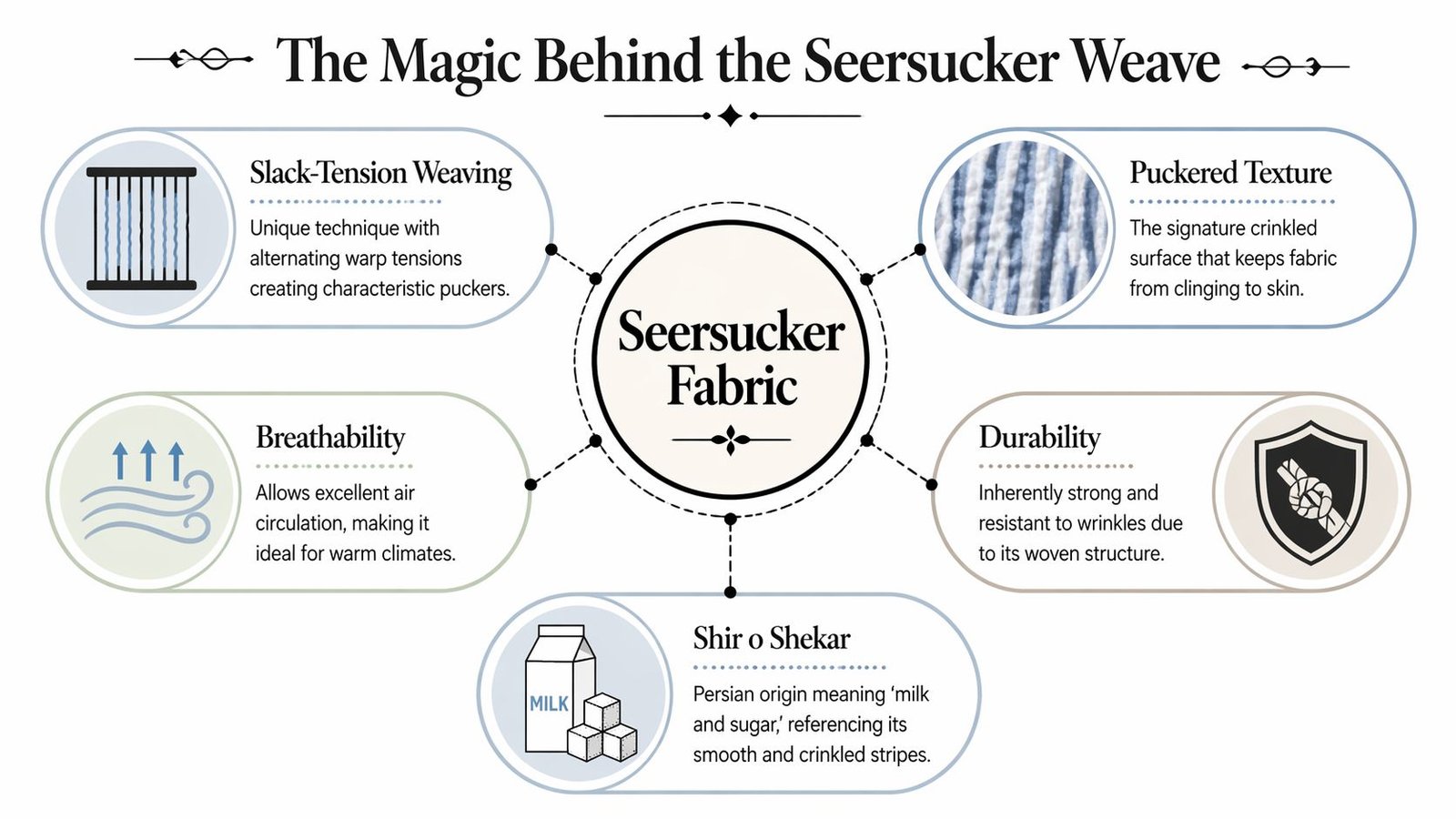
Seersucker gets its character on the loom. The puckers are part of the cloth itself, so they are not printed on, glued on, or pressed in as a temporary effect.
How the pucker happens
The usual explanation is slack-tension weaving. The term sounds more complicated than the method.
Some warp threads are kept under firmer tension while others are allowed a little more give. As the fabric is woven, those looser threads draw up into gentle ridges while the tighter threads stay flatter. The result is the familiar striped or softly rumpled surface that makes seersucker easy to spot.
A simple sewing-room comparison helps here. If you have ever eased one piece of fabric onto another, such as setting in a sleeve cap, you have seen what extra length does. The longer section cannot lie perfectly flat against the shorter one, so it forms soft fullness. Seersucker uses that same basic idea in the weave, but in a controlled, repeating pattern across the fabric.
That is why the texture lasts.
Why the surface feels cool and springy
On a flat cotton such as poplin, more of the cloth sits directly against the skin. Seersucker has raised areas and flatter channels, so the fabric touches the body in a lighter, less continuous way. That small change is enough to make it feel airier in wear.
It affects sewing, too. The cloth usually has a bit more body than its weight first suggests. A simple camp shirt, child's dress, or pair of pyjama shorts often looks better with that lightly lifted shape than it would in a limp summer cotton.
If you are handling it at your cutting table, run your hand across the grain in both directions. You can feel the ridges and the flatter lanes. That texture is your clue for everything that follows, from cutting accurately to choosing interfacing that supports the fabric without crushing it.
Seersucker versus plissé
These two fabrics get mixed up all the time because both can look crinkled from a distance. For sewing, the difference matters.
| Fabric | Texture comes from | What that means for sewing |
|---|---|---|
| Seersucker | The weave structure | The crinkle is built in, so you cut and stitch with the texture in place |
| Plissé | A finishing treatment | The texture may react differently to heat, pressing, and repeated washing |
For a home sewist, this is the practical takeaway. Seersucker behaves like a textured woven fabric with a permanent surface pattern. Plissé asks for more caution because the crinkle comes from finishing rather than structure.
That distinction helps you make better project choices. Seersucker suits everyday garments that benefit from a relaxed surface and easy wear, and it rewards careful handling rather than constant pressing flat.
A Brief History From India to British Summers
A length of seersucker on a shop counter can tell a surprisingly long travel story. You run your fingers over those raised stripes, and you are touching an idea that moved from hot-weather cloth traditions in South Asia into British wardrobes and summer sewing.
The name itself hints at that journey. Many textile histories trace it to the Persian phrase “shir o shekar”, usually translated as “milk and sugar”. The comparison fits the fabric well. One part looks smooth, the other looks crinkled, rather like two textures sitting side by side in the same cloth.

From South Asian cloth to British use
Seersucker is widely understood to have roots in the Indian subcontinent, where lightweight cotton fabrics were already valued for hot, humid conditions. That practical beginning matters. This was not cloth admired only from a distance. It was cloth worn, washed, and relied on.
British merchants and colonial trade helped carry seersucker into wider use. By the eighteenth and nineteenth centuries, it had become familiar within British imperial trade networks, especially for warm-climate clothing. That makes sense from a sewing point of view. If you were choosing fabric for heat, you would naturally favour something that did not cling and did not demand fussy care.
In Britain, seersucker later found a place in summer dress, casual tailoring, and practical household sewing. It sat in an interesting middle ground. It had character, but it was still useful. A fabric shop customer could see it as both sensible and charming, which is often exactly why a fabric lasts.
Why the history still matters to sewists
For a modern home sewist, the history is more than background. It explains the fabric’s personality.
Seersucker stayed relevant because it solved everyday problems. Warm weather clothes need comfort. Busy people want garments that wash well and do not ask for heavy pressing. Sewists also appreciate fabrics with built-in surface interest, because the texture does part of the design work for you before you have added a single button or topstitched seam.
That old warm-weather role is also why seersucker still turns up in conversations about the best fabrics for humid climates. Its history and its use line up neatly. It earned its reputation by being practical first.
And that is the part I always like to point out at the cutting table. Seersucker is a heritage fabric, yes, but it is also a very usable one. The same qualities that helped it travel from South Asia into British summer wear are the qualities that still make it worth sewing today, especially if you want projects that feel cool, forgiving, and full of texture without extra effort.
Properties That Make Seersucker a Summer Favourite
You feel it the moment you lift it off the shelf in July. Seersucker does not cling and slump the way some summer fabrics do. It sits slightly away from the skin, which is a small detail that makes a big difference on a warm afternoon.
That comfort comes from the same puckered surface we talked about earlier. Those raised ridges create tiny spaces between the cloth and your body, a bit like sleeping under a waffle blanket instead of a flat sheet. More room for air means the fabric often feels cooler and less sticky in wear.
That is one reason seersucker keeps turning up in conversations about the best fabrics for humid climates. It is not just light. It is light in a useful way.
Airflow and comfort
Plenty of summer fabrics are breathable when you first put them on. The test comes an hour later, when you have been walking, sitting, and getting in and out of the car. Seersucker handles that sort of day well because the texture helps stop the whole cloth from plastering itself flat against the skin.
For sewists, this has a practical upside. A simple shirt or dress in seersucker can feel fresher than the same shape in a smooth plain weave, even when both are cotton. You are getting comfort from the fibre and from the structure of the cloth.
Wrinkles that look natural, not messy
Seersucker is forgiving.
A crisp linen shirt can look beautifully sharp in the morning and heavily creased by lunch. Seersucker starts with texture, so a bit of rumpling tends to blend in rather than announce itself. That makes it a friendly choice for day dresses, holiday clothes, children’s outfits, and anything you want to wash, dry, and wear without a long date with the iron.
As a shop owner, I often describe it this way. A smooth fabric shows every footprint. Seersucker already has a pebbled path built in, so the extra marks do not stand out as much.
Enough body for easy sewing
Seersucker also has a nice middle-ground handle. It is not floppy like a very soft lawn, and it is not stiff like a heavy canvas. That balance gives home sewists something useful. The fabric has enough body to hold a collar, a puff sleeve, a simple button band, or a pair of breezy shorts, but it still feels airy on the body.
Seersucker becomes more than a fabric definition, evolving into a sewing companion. On a home machine, that bit of body can make handling easier than very slippery summer cloths. The surface texture also adds interest before you have sewn a single tuck, pleat, or line of topstitching.
Practical wins for everyday projects
Seersucker suits projects that need comfort, washability, and a little structure:
shirts and shirt dresses
elastic-waist shorts and loose trousers
children’s rompers and play clothes
pyjama sets
light summer jackets and overshirts
simple home accessories such as cushion covers or café curtains
It also pairs well with straightforward sewing techniques. A lightweight fusible interfacing usually works better than anything crisp or bulky, because you want support without flattening the puckers too much. If you are making a collar, placket, or facing, test a small scrap first. Seersucker likes a gentle touch.
Why sewists keep coming back to it
Some fabrics are lovely to look at but fussy to live with. Seersucker has stayed popular because it is pleasant to wear and practical to sew. The texture gives you visual interest, the cloth stays comfortable in heat, and the finished garment often asks less of you after washing.
That combination is hard to beat in summer sewing.
How to Choose Quality Seersucker Fabric
You are standing at the fabric shelf with two striped seersuckers in your hands. Both look cheerful. One will turn into a shirt you reach for all summer. The other may feel limp, twist after washing, or fight you at the sewing machine. The difference usually shows up in the hand before it shows up in the finished garment.
Start with the surface
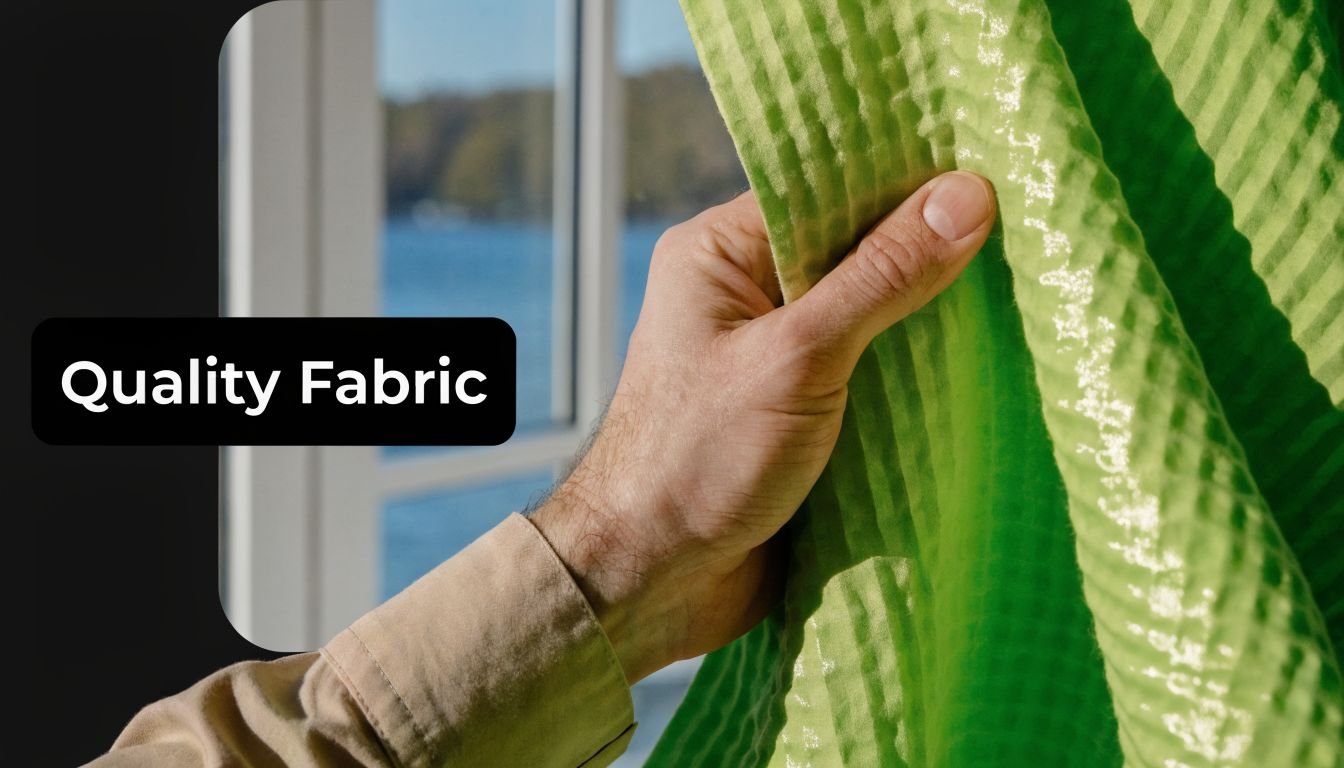
Run your fingers across the fabric and then along it. Good seersucker has a texture that feels deliberate. The raised and flatter areas should repeat with some consistency, much like a neatly gathered sleeve where the fullness is controlled rather than bunched at random.
Look closely too. The puckers should sit in the cloth, not look as if they have been pressed in as an afterthought. If the texture seems patchy across the width, the finished garment can look uneven once sewn.
A small test helps. Scrunch a corner gently in your hand, then let it fall. Quality seersucker usually springs back with character. It should feel lively, not papery or tired.
Check the fibre content with your project in mind
Fibre content changes both the feel and the sewing experience.
Pure cotton seersucker often has the most traditional hand. It feels breathable, softens nicely with wear, and suits blouses, children's clothes, pyjamas, and relaxed summer dresses. If you enjoy natural fibres and do not mind a little more creasing, cotton is often a lovely choice.
Cotton-blend seersucker is often easier for everyday wear. A bit of polyester can help the fabric hold its texture, dry faster, and ask less of you after washing. For school clothes, casual shirts, or garments that will be washed often, that can be very practical.
Neither is automatically better. A crisp button-up and a soft gathered dress do not ask the same thing from the cloth.
Pay attention to weight and body
This is one of the easiest places to get caught out when shopping online.
A lighter seersucker works well for tops, warm-weather nightwear, and loose children's garments. A medium seersucker has enough presence for shorts, shirt dresses, and simple trousers. If the fabric feels too thin for the project, features like collars, facings, or pocket edges can look limp even with interfacing. If it feels too stiff, gathers can stand away from the body more than you want.
If you sew at home, body matters on the machine too. Seersucker with a little structure usually feeds more predictably than very floaty summer fabrics. That makes it a friendly option for newer sewists, especially for projects with straight seams and simple hems.
Look for clean printing and straight grain
Stripes and checks are useful teachers. They reveal problems quickly.
Hold the fabric up and see whether the stripes look straight and balanced. If they wander or the print looks blurry, matching seams becomes harder and the finished garment can look slightly off even when your sewing is accurate. On seersucker, the texture can already play tricks on the eye, so a clear stripe is a real help.
If you are shopping in person, unroll a little and check whether the cloth hangs straight. If it swings to one side, the grain may be off.
A practical buying checklist
For shirts and shirt dresses, choose seersucker with enough body to support a collar, stand, or button placket.
For dresses with gathers or puff sleeves, choose a softer hand so the fullness falls nicely instead of sitting stiffly.
For children's wear or everyday pieces, consider a cotton blend if you want easier laundering.
For facings, collars, and cuffs, buy a little extra so you can test lightweight fusible interfacing on scraps before committing.
For striped projects, check whether the pattern repeat is clear enough for seam matching and pocket placement.
What to ask before you buy
If you are ordering online, ask three simple questions. Does the fabric feel crisp or soft in the hand. Is the pucker subtle or pronounced. What kinds of garments does the shop recommend for it.
Those answers tell you far more than a pretty product photo.
Buying tip: Choose seersucker the same way you would choose lining or interfacing. Start with the project, then match the fabric's hand, body, and texture to the job.
Essential Tips for Cutting and Sewing Seersucker
You have your pattern ready, your seersucker washed, and everything looks straightforward until the fabric hits the cutting table. Then the ridges start shifting, the stripes seem to wobble, and the cloth refuses to lie as flat as ordinary shirting. That is normal. Seersucker behaves best when you work with its texture instead of pressing it flat and forcing it to act like something else.
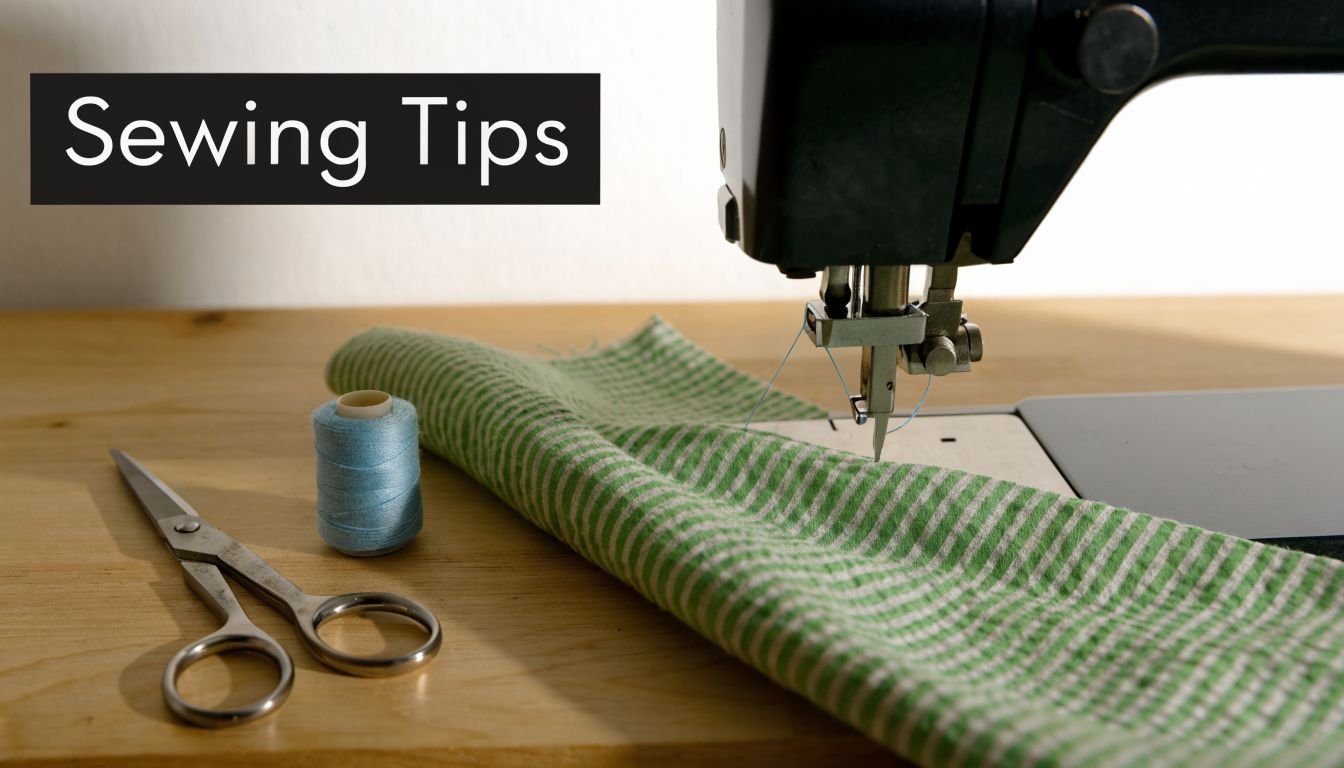
For home sewing, that textured surface is the whole story. It affects how you cut, how the layers feed under the presser foot, and how much interfacing the fabric can comfortably carry. Once you understand that, seersucker becomes much less mysterious.
Before you cut
Pre-wash first. Cotton seersucker can change a little after its first wash, and you want that to happen before you cut out a collar stand or a neat button placket.
Let the fabric dry fully, then smooth it with your hands on the table. A light steam is fine if needed, but avoid pressing hard enough to flatten the puckers. Those raised stripes are part of the fabric’s built-in shape. If you iron them flat at the start, your pattern pieces may look accurate on the table but behave differently once the garment is washed and worn.
A good comparison is quilt batting after it has been squashed in a packet. You can flatten it for a moment, but it still wants to spring back to its natural loft. Seersucker has that same memory.
Cutting without distortion
Single-layer cutting is often the easiest route, especially for striped seersucker. When you fold the fabric right sides together, the ridges can slide against each other and pull the stripes slightly off. One layer takes longer, but it usually gives you cleaner pocket placement, straighter fronts, and fewer surprises at the side seams.
A simple routine helps:
Lay the fabric out and leave it alone for a few minutes so the surface settles.
Use pattern weights if you have them. Too many pins can tug the raised areas out of line.
Check the grain line with care because the puckered texture can make a straight line look faintly wavy.
Mark only what you need using tailor’s tacks, clips in the seam allowance, or very light chalk on the flatter channels.
If you are sewing a striped shirt or dress, spend extra time on the centre front, pocket, and side seam. Seersucker’s texture disguises minor creases beautifully, but it also makes mismatched stripes more noticeable.
Sewing on a home machine
A standard domestic machine is usually enough. Seersucker is still a woven cotton or cotton blend, so the main job is controlling how the layers feed.
Start with a fresh fine universal or sharp needle, then sew a few test lines on scraps. Test before you thread the whole project together. On one sample, try your usual stitch length. On another, try a slightly longer stitch. Seersucker often looks better with a touch more space between stitches because tiny stitches can make the fabric look tight and overworked.
If the top layer creeps ahead of the lower one, fit a walking foot if you have one. If you do not, lowering presser foot pressure can help. A little adjustment here often saves a lot of unpicking later.
This matters most on curves, collars, and plackets, where small feeding problems show up quickly. For clear visual references while planning project samples or listing finished makes online, this guide on how to take better product photos is useful too.
Seams and interfacing that suit seersucker
Seersucker usually looks best with light, tidy finishes. French seams are a lovely choice for blouses, pyjamas, and loose summer dresses because they keep the inside neat without adding much bulk. Overlocking works well for casual shirts, children’s clothes, and everyday separates where speed matters. Narrow hems and simple turned hems also suit the fabric better than thick, heavy folds.
Interfacing needs a gentle hand. A heavy fusible can flatten the texture and leave a stiff patch that looks out of place beside the rest of the garment. For collars, cuffs, facings, and plackets, test a lightweight woven fusible on a scrap first. You want support, not a cardboard effect.
If you sew often from the More Sewing range, this is the question to ask: does this area need structure, or only a little help holding its shape? Seersucker usually prefers the second answer.
A quick visual demonstration can help if you like seeing fabric behaviour in motion:
Pressing without ruining the texture
Press the seam itself, not the whole garment panel.
That one habit makes a huge difference.
Open seam allowances with your fingers first, then use the tip of the iron, a press cloth if needed, and plenty of steam with very little pressure. You are shaping the stitched areas so the garment sits well. You are not trying to make the entire fabric uniformly flat.
For collars and cuffs, press carefully and locally. For gathered skirts, puff sleeves, or relaxed tops, keep the iron focused only where construction needs control.
Let the puckers keep their character. Good pressing on seersucker is precise, not forceful.
Common mistakes to avoid
| Don’t do this | Do this instead |
|---|---|
| Flatten the whole length before cutting | Wash first, then smooth lightly by hand or with gentle steam |
| Cut quickly on the fold without checking stripe placement | Use a single layer when accuracy matters |
| Use tiny stitches and high pressure by default | Test stitch length and presser foot pressure on scraps |
| Fuse every collar, cuff, and facing with the same interfacing | Match the interfacing to the area and keep it lightweight |
Treat seersucker like a lightly crinkled shirting with built-in texture, and it becomes much easier to cut, sew, and finish neatly on a home machine.
Seersucker Project Ideas for Your Next Creation
Seersucker really earns its keep when you choose projects that let the texture do some of the design work. You don’t need fussy details. In fact, simple patterns often look best because the cloth already has visual interest.
Good first projects
A pull-on pair of summer shorts is a smart starting point. Seersucker’s body helps the shape hold, and the relaxed surface means minor wrinkles vanish into the texture.
A button-front shirt is another classic. The fabric suits collars, sleeve bands, and patch pockets nicely, especially if you keep interfacing light. If you want something easier, make a sleeveless top with a facing or bias finish.
Projects where the fabric does the talking
Loose tunic dresses, tiered sundresses, and children’s rompers all benefit from that airy, raised finish. The cloth adds interest even in a plain stripe, so you can pick a straightforward pattern and still end up with something that looks thoughtfully made.
Because UK availability can be patchy, it’s worth buying when you find a seersucker you love. One UK-specific overview notes that searches on UK fabric retailers reveal fewer than 5 dedicated seersucker listings, with 100% cotton averaging £12 to £18 per metre, and it also notes 25% growth in hobby sewing post-2020, while breathable summer fabrics remain underrepresented, according to this guide discussing seersucker sourcing for UK sewists.
If you sell or share your makes
Seersucker photographs beautifully because the ridges catch light. If you like posting finished garments on Instagram, Etsy, or your own site, good lighting matters more than fancy equipment. This guide on how to take better product photos is useful for showing texture clearly, which is half the charm of seersucker.
The nicest thing about sewing with seersucker is that it rarely needs overcomplicating. Pick a breathable pattern, let the puckers stay lively, and you’ll end up with a garment that feels as good as it looks.
If you’re ready to try seersucker or want help choosing the right summer fabric, browse More Sewing for dressmaking fabrics, haberdashery, and practical supplies for your next make.
